Eastman Vs In-Town Grantham: Comparing Home Options
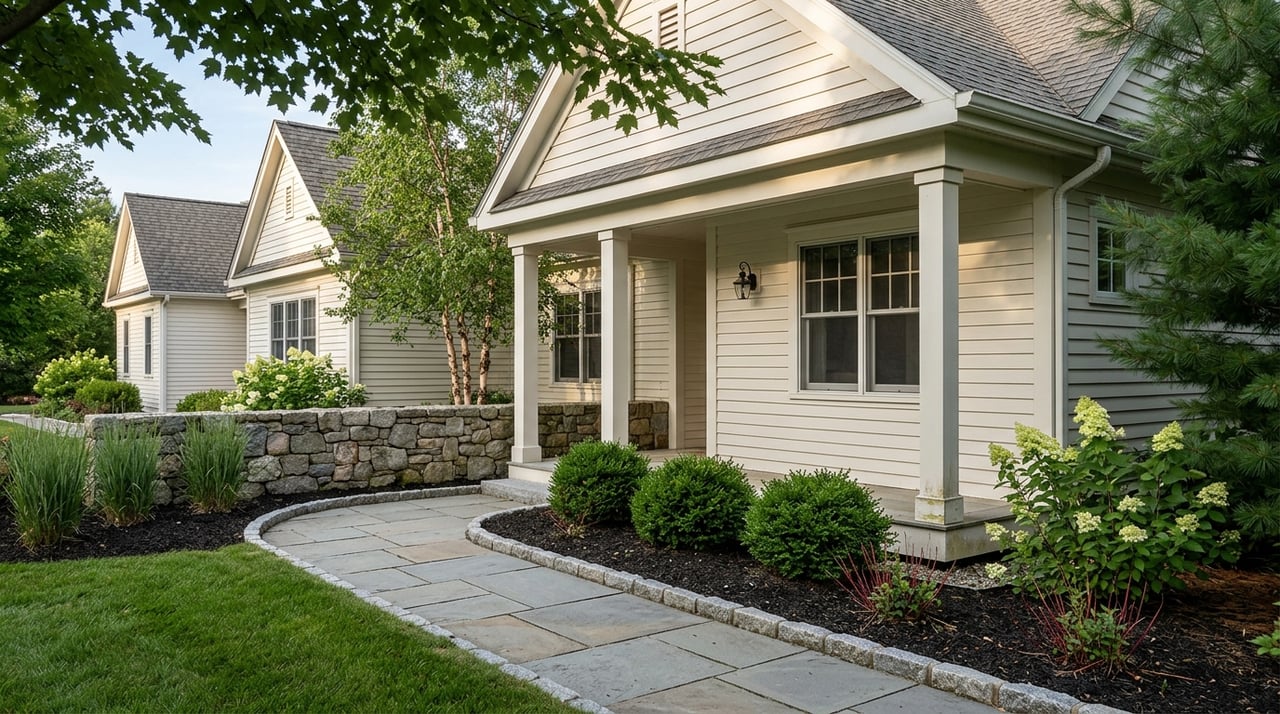
Trying to choose between Eastman and in-town Grantham? You are not just comparing addresses. You are comparing two very different ways of living in the same town, each with its own housing mix, upkeep expectations, and day-to-day feel. If you want to understand which option may fit your goals best, this guide will walk you through the differences clearly and simply. Let’s dive in.
Eastman is a distinct planned community within Grantham, not just another neighborhood. According to the town, it is a private, four-season recreational community east of I-89 that spans about 3,600 wooded acres across Grantham, Enfield, and Springfield, centered around Eastman Pond.
The rest of Grantham follows a more traditional small-town and rural pattern. The town’s planning documents describe much of non-Eastman Grantham as low-density, open, and residential, with a strong focus on preserving rural character and a quieter pace.
Eastman offers a wider mix of ownership types than many buyers expect. The Eastman Community Association says the community includes about 1,000 houses and 335 condos, with settings that range from waterfront and golf-course-view homes to wooded hillside locations.
That variety can appeal to buyers who want choices within one planned community. You may find a detached house, a condo, or a property that leans more toward a recreation-focused lifestyle, all within the same broader setting.
If you are considering a condo in Eastman, it is important to know that some condo communities have separate governance and fee structures. That can affect what is covered, especially for items like exterior maintenance or plowing.
For house buyers, the ownership structure is usually simpler, but you will still be part of the broader Eastman association. That means shared rules, shared infrastructure, and shared costs are part of the ownership experience.
Outside Eastman, Grantham is mainly made up of single-family homes. The town also notes that two-family and multifamily housing is generally preferred near the central village rather than spread throughout town.
If you are looking for a more traditional property setup, non-Eastman Grantham may feel more familiar. In many cases, the focus is less on shared amenities and more on the home, the land, and the individual parcel itself.
The highest residential density outside Eastman is generally around the Grantham Village area and a few other clusters. In the central village area, town planning focuses on a low-speed Main Street feel along Route 10 and connections between civic buildings and businesses with sidewalks and crosswalks.
Outside those denser pockets, the broader pattern is lower-density residential development. That can appeal to buyers who want more of the rural-town character Grantham is known for.
One of the biggest differences between Eastman and the rest of Grantham is how lifestyle is built into ownership. Eastman is designed around shared recreation and common amenities, while non-Eastman Grantham is generally oriented around more independent property ownership.
Neither is automatically better. The right fit depends on whether you want a bundled community experience or a more traditional rural ownership model.
Eastman is centered on year-round recreation. Its amenities include lake access, six private beaches, an 18-hole golf course, tennis and pickleball, an indoor pool, a fitness center, and trail systems for walking, hiking, skiing, and snowshoeing.
The Universal Amenity Program is included in house and condo assessments and covers most recreation uses. Golf is the main exception. For many buyers, that makes amenities feel like part of daily ownership rather than an occasional add-on.
Outside Eastman, the lifestyle tends to be less structured by a single association. The town’s planning documents repeatedly emphasize small-town atmosphere, open space, low traffic volumes, and rural character.
If you want a home where the setting itself is the main draw, rather than a long list of shared facilities, in-town or non-Eastman Grantham may be the better match. That can be especially appealing if you value privacy, simplicity, or a more independent ownership experience.
When buyers compare homes, the list price is only part of the picture. In this case, the ownership model affects your ongoing costs and responsibilities in a meaningful way.
Eastman has a more bundled structure, while homes outside Eastman often come with more direct owner responsibility for the property and its systems.
For fiscal year ending 2027, Eastman lists an annual assessment of $4,501 for houses and condos and $3,634 for unimproved lots. There is also a one-time membership fee of $7,000 for house and condo purchases and $1,500 for vacant lots.
According to Eastman, the annual assessment helps fund road maintenance, common-property maintenance, utilities, and staff. Grantham’s assessing information also shows a separate Village District of Eastman tax component on Eastman parcels.
Outside Eastman, ownership is typically less bundled. Based on the town’s utility patterns and land-use structure, non-Eastman homes usually involve a more individual approach to property upkeep.
That does not automatically mean lower or higher total costs. It does mean your expenses may show up differently, often through maintenance and service needs tied more directly to the home itself rather than through a single association assessment.
Utilities are another major point of difference. This is one of the most practical comparisons to make when deciding between Eastman and the rest of Grantham.
The town master plan says Eastman residents have municipal-style water service through the Village Water District. It also says Eastman has a private sewer system, and Eastman’s fee information adds that all Eastman properties are connected to or can connect to public water.
About one-third of Eastman homes, including all condos, are on the sewer system. For some buyers, that infrastructure is a major convenience and an important part of the appeal.
Most homes outside Eastman rely on private wells for water and private onsite septic systems for wastewater. That is a common setup in rural New Hampshire towns, but it creates a different ownership experience than a community with more shared infrastructure.
If you are comparing properties, this is an area where details matter. A home’s water and wastewater setup can influence maintenance planning, inspections, and long-term comfort with the property.
Eastman is not only distinct in amenities and infrastructure. It also has a different governance and service structure than the rest of town.
Grantham police have formal jurisdiction in Eastman, including traffic enforcement. At the same time, Eastman maintains its own security force that patrols roads, common areas, and facilities in a neighborhood-watch style role.
That structure can feel more community-managed than what you typically find outside Eastman. For some buyers, that added layer is a benefit. For others, a less structured environment may feel more comfortable.
If you are drawn to recreation, shared amenities, and a planned community model, Eastman may be the stronger fit. It offers a wider mix of houses and condos, bundled amenities, and more centralized infrastructure than you will usually find elsewhere in Grantham.
If you prefer a more traditional small-town or rural ownership experience, the rest of Grantham may align better with your goals. Outside Eastman, homes are more often single-family, with a stronger focus on individual property ownership and the rural character highlighted in the town’s planning documents.
A good comparison starts with your daily life. Think about whether you want association-based living with built-in amenities, or a more independent setup where the home and lot are the center of the experience.
If you are weighing Eastman against in-town or rural Grantham options, working with someone who understands the local differences can save you time and help you spot the tradeoffs that matter most. When you are ready to compare properties and talk through what fits your goals, connect with Jaime Durell.
Stay up to date on the latest real estate trends.

Real Estate Tips
Boost Your Home's Value with Easy, High-Impact Improvements