Buying Lakefront Property In Sunapee: What To Know
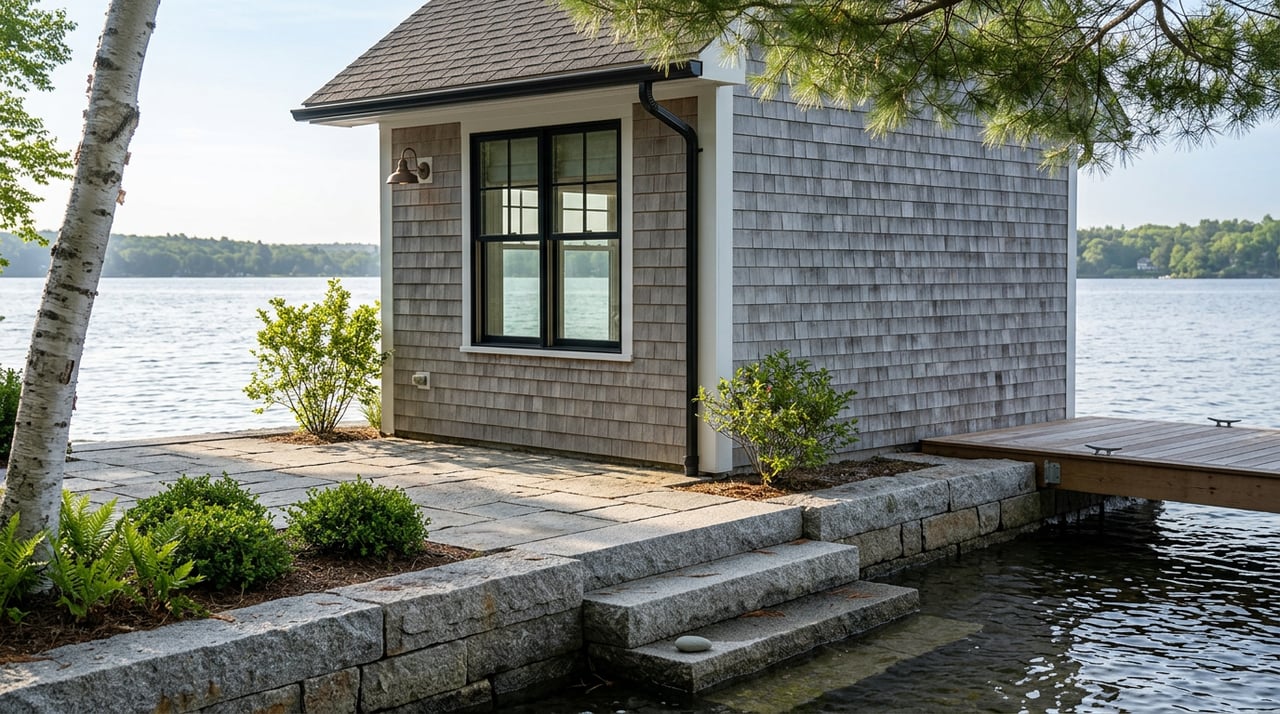
Coffee on the dock. Glass-calm water. A quick run to Sunapee Harbor for lunch. If you are picturing yourself on Lake Sunapee, you are not alone. Buying lakefront here is exciting, but the details matter more than most buyers expect. In this guide, you will learn what drives value, which rules impact docks and renovations, how to weigh seasonal vs year-round use, and the exact due diligence steps to protect your purchase. Let’s dive in.
Lake Sunapee covers about 4,155 acres, stretches roughly 8 miles, and reaches a maximum depth near 112 feet with about 36 miles of shoreline. These features shape boating patterns, privacy, and the kinds of shoreline improvements you can make. You will see the lake’s scale reflected in pricing and permit reviews as well. The Lake Sunapee Watershed Management Plan is a helpful background resource.
Several towns touch the lake and watershed, including Sunapee, Newbury, New London, Goshen, Springfield, and Sutton. Zoning and permitting can differ by town, so always confirm which municipality governs the parcel before you plan any work.
Public access centers boat activity near key ramps. There are four public boat ramps and one private ramp open to the public at Sunapee Harbor, Georges Mills, Mount Sunapee State Park/State Beach, Blodgett Landing, and Burkehaven. Expect more launch traffic and parking competition in peak season near these areas. Find more context in the watershed summary.
You will see shoreline homes concentrated in named coves and village areas such as Sunapee Harbor, Georges Mills, Blodgett’s Landing, and Burkehaven. Lot shapes, frontage lengths, and water depth can vary by cove, which affects privacy, docking, and long-term value.
Waterfront parcels range from classic cottage lots to larger estates with long shoreline. Minimum frontage requirements and shoreland overlay rules influence whether a parcel can be divided or if multiple homes can share access. Always confirm measured shoreline frontage and any shared or common-waterfront easements in the deed and survey. The Town of Sunapee’s zoning ordinance outlines local frontage standards and shoreland requirements. You can review those here.
Some lakefront homes sit on private roads or shared drives. If a road is private, clarify who handles plowing, grading, and repairs. Ask for any association documents and fees early, since these costs and responsibilities can affect financing and insurance. Proximity to Mount Sunapee State Park and the State Beach is a lifestyle plus for many buyers who want easy access to public beach days and boat rentals.
The broader Lake Sunapee region’s median sale price across single-family and condos was around $520,000 in Q4 2025. Direct Lake Sunapee waterfront sales trade much higher and vary widely. In 2025 there were 14 direct waterfront sales with a median sold price of about $2,987,500. Because the sample is small, one or two large estate sales can swing the numbers. For an offer strategy, focus on like-for-like frontage, water depth and exposure, condition, and the property’s permit history.
New Hampshire’s Shoreland Water Quality Protection Act (RSA 483-B) establishes the protected shoreland and a primary building line commonly 50 feet from the water. It also sets rules for vegetation, stormwater, and impervious surfaces in the shoreland zone. Water-dependent structures like docks and piers require approvals. Review the statute and guidance before planning changes to buildings, hardscape, or vegetation. Read the statute overview at the state’s site for RSA 483-B.
The Town of Sunapee has a Shoreline Overlay District that works alongside state law. Docks and swimming facilities are allowed, but they must meet state permit standards. New lots with direct water access generally must have minimum shore frontage of 200 feet and comply with lot width rules for properties using septic systems. Construction in the shoreland district requires erosion and sedimentation control. See the local requirements in the Sunapee zoning ordinance.
The New Hampshire Department of Environmental Services (NHDES) manages permits for docks and shoreland work. Smaller seasonal floating docks can sometimes use a simplified permit by notification. Permanent pile or crib docks, dredging, and retaining walls typically need a full wetlands or fill permit. Always verify that any existing dock has a valid permit or registration. Unpermitted structures can be costly to legalize or remove. For thresholds and common size or placement rules, review NHDES guidance in WB-19.
Sunapee also manages town docks and nearby parking. Local rules can limit long-term docking, set hours, and manage waitlists for slips or moorings. If you plan to rely on town facilities, check the current municipal dock rules and confirm availability with the town.
Most lakefront homes use private wells and septic systems. Steep slopes or shallow soils in parts of the watershed can constrain septic placement and may require advanced or innovative systems for upgrades or conversion to year-round use. Always obtain recent septic inspection or pumping records and ask for any design and permitting files. The watershed plan provides useful background on soils and onsite systems in the region. You can review it here.
The Lake Sunapee Protective Association (LSPA) runs water-quality monitoring, Lake Host boat inspections, and an Invasive Watch program. The lake has had localized finds of invasive plants, such as curly-leaf pondweed, which LSPA addresses through removal and monitoring. Expect outreach and best-practice guidance for septic care, fertilizer-free buffers, and boat cleaning to help protect the lake. Learn more on LSPA’s invasive species page.
Lake Sunapee inventory includes both seasonal cottages and fully winterized year-round homes. Many older camps were built for summer use only. Converting a seasonal property to year-round living often triggers septic and well upgrades and may require an innovative system if space or soils are limited. Build time and budget into your plan for permitting and site work if conversion is part of your goal.
Use this checklist to evaluate any Sunapee lakefront listing with confidence:
Waterfront inventory is limited and uneven. A few large estate sales can move median prices, so do not rely on broad town medians when valuing a shoreline home. Build your offer around like-kind comps that match frontage, water depth and exposure, property condition, and permit history. Request surveys and permit files early to reduce surprises and renegotiation.
Ready to explore properties or sense-check a listing? Get local, detailed guidance from a responsive advisor who understands shoreline rules, surveys, and site systems. Reach out to Jaime Durell to start a tailored lakefront search.
Stay up to date on the latest real estate trends.

Real Estate Tips
Boost Your Home's Value with Easy, High-Impact Improvements