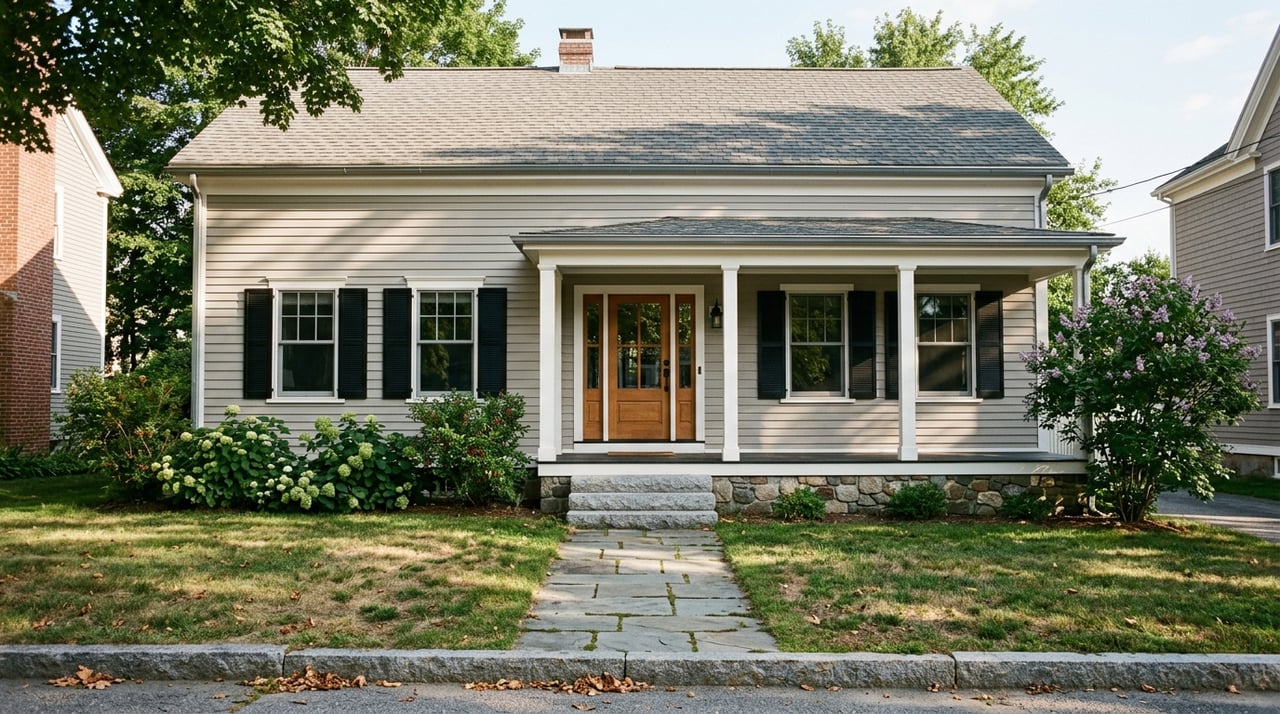
Pricing Your Hanover NH Home Confidently in 2026

Pricing your home in Hanover can feel tricky right now. One month the numbers look strong, the next month they swing. You want to keep your equity, move on your timeline, and avoid sitting on the market. In this guide, you’ll see current local data, a simple CMA process, smart pricing strategies, and what to watch once you list so you can set a confident, market‑ready price. Let’s dive in.
Hanover’s small sales counts make the headline numbers jump. Redfin reports a median sale price of about $835,000 with just three homes sold in January 2026 and a typical fast time‑to‑contract around 25 days for homes that click with buyers. Medians can be volatile when only a few closings happen in a month, especially at higher price points. You can view the current town page for context on volumes and timing at the Redfin Hanover market summary (Jan 2026). (source)
For a longer lookback, Zillow’s Home Value Index shows a typical Hanover home value near $934,891 as of December 31, 2025. This index smooths month‑to‑month swings, which helps in a luxury‑skewed market like Hanover, but it isn’t a list price target. (source)
Realtor.com’s late‑2025 Hanover page shows a higher median listing price around $1.27 million and a very small number of active listings, close to a dozen in the snapshot. Again, very low inventory can make medians diverge across sites. (source)
For steadier context, Grafton County’s median price sits near $459,960 with a median days on market around 99 days as of December 2025. County data help you see if a change is town‑specific or part of a broader trend. (source)
Across New Hampshire, inventory remains low by historical standards and prices in 2025 posted year‑over‑year gains, though the pace of increases slowed. That backdrop supports values, even as market velocity has cooled from pandemic highs. (source)
Finally, mortgage rates matter. The 30‑year average hovered near 6.1 percent in early February 2026, which shapes buyer affordability and offer strength. (source)
Bottom line for sellers: Hanover’s headline medians can mislead. You will want a neighborhood‑level Comparative Market Analysis plus county and rate context to set a sound price.
A CMA compares your home to similar properties that sold recently, those under contract now, and your current competition. Here is what a solid CMA includes, based on consumer guidance from NAR. (source)
Your agent will lean on the local MLS and tools like RPR for the data, then verify details with on‑the‑ground knowledge.
In Hanover, a few closings can swing medians a lot. That is why price per square foot, sale‑to‑list ratios, and recent DOM in your price tier are key. If similar homes have been going under contract in under 30 days and closing near list price, a market‑value strategy is reasonable. If DOM is rising and inventory is stacking up, pricing into the lower half of your CMA range can keep you ahead of the curve. You can cross‑check DOM and momentum on the Redfin town page. (source)
Buyers in Hanover often place value on proximity to Dartmouth College, access to town amenities, and well‑finished spaces. Redfin’s feature analysis points to items that tend to help listings perform, including fireplaces, quality finishes, two or more bathrooms, landscaping, finished basements, and inviting outdoor areas like decks or family rooms. Use these as a checklist when you and your agent price and prep. (source)
Price at the CMA midpoint to attract the broadest buyer pool. This approach usually leads to a sale near list price within the typical DOM for your segment, assuming condition and marketing are aligned. NAR recommends leaning on your CMA and current conditions rather than emotion. (source)
Some sellers list a bit under comps, often 1 to 4 percent, to drive showings and encourage competing offers. This can work when inventory is very tight in your segment. In Hanover, buyer pools are small at many price points, so underpricing does not always trigger a bidding war. Use this tactic with care. (source)
Listing above the comps may extend your days on market and increase the odds of price reductions. Repeated reductions can hurt perceived value and lower your net if you chase the market down. Only consider this path if you have a flexible timeline and the data show clear upward momentum. (General industry guidance.)
Because Hanover’s monthly sample is small and luxury sales skew medians, ask your agent to show a price range, not a single number. For example, “CMA range $X to $Y, recommended list at $Z to meet a 30‑day goal,” with a second scenario if you prefer to optimize net over a longer window. Tie the choice to your timing and the latest DOM in your tier.
A strong presentation helps you hold your price. Focus on the high‑ROI basics before you list. NAR’s consumer resources highlight these steps. (source)
For smaller cosmetic items, deep cleaning, light staging, and curb appeal upgrades often beat costly remodels. For bigger issues, either repair before listing or price for them explicitly. Buyers and appraisers discount unknowns.
Your first two weeks on the market are prime time. Portals push new listings to saved searches, and qualified buyers tend to tour quickly. Track these signals with your agent and compare them to similar active listings:
If engagement falls short of your agent’s forecast in the first 10 to 14 days, revisit price and marketing right away. Small, token price cuts rarely change the story. A data‑driven repositioning or a clear value message usually works better than waiting. NAR’s consumer guidance emphasizes acting early based on real‑time feedback. (source)
Hanover sits at the heart of the Upper Valley with steady employment anchors and a limited housing stock. The presence of Dartmouth College and Dartmouth Hitchcock Medical Center supports consistent demand, while the town’s size keeps inventory thin. Local market commentary in fall 2025 pointed to Hanover as a luxury leader within the region, with nearby towns following different paths. These dynamics help explain why a hyperlocal CMA beats broad medians every time. (source)
Use this framework with your agent to align price and timeline:
Review your CMA range. Confirm the 3–6 most relevant comps and the $/sqft adjustments that matter most.
Set your primary goal. If you want a contract in roughly a month based on your tier’s recent DOM, choose a price at or near the middle of the range. If you have more time and the data show rising momentum, you might test the upper half with a clear review date.
Define decision points. Pick target engagement numbers for week 1 and week 2 and set a check‑in to review feedback. Agree in advance on a meaningful adjustment if activity lags.
Support the price with presentation. Complete key repairs, use professional visuals, and highlight features Hanover buyers value, like quality finishes and convenient access to town amenities.
Ready to dial in your price with a neighborhood‑level plan and polished marketing? Connect with Jaime Durell to request a free home valuation and a tailored CMA for your Hanover property.
Stay up to date on the latest real estate trends.


Real Estate Tips
Boost Your Home's Value with Easy, High-Impact Improvements