Buying or Selling Sunapee Real Estate This Winter
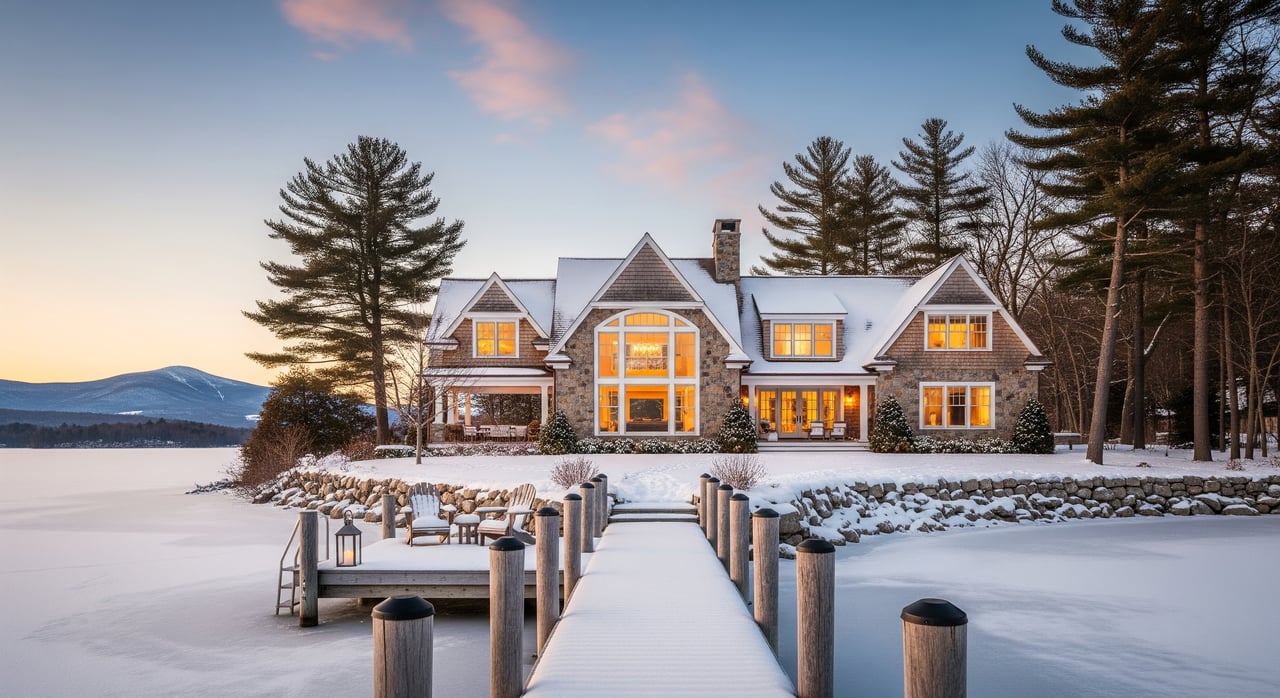
Thinking about a winter move in Sunapee and not sure if it is the right time? You are not alone. Shorter days, snow, and frozen shorelines can make decisions feel complex. The good news is that with smart planning, you can use the season to your advantage. In this guide, you will learn how the local market behaves in winter, how to prep for safe and effective showings, what to prioritize in inspections, and what is unique about Lake Sunapee waterfront. Let’s dive in.
Winter in New Hampshire lake towns often brings fewer listings and a smaller, more focused buyer pool. That seasonal pattern is common across rural and lakeshore markets, and the Sunapee area follows suit. Consistent with statewide trends noted by the New Hampshire Association of REALTORS, inventory typically dips from December through February, then builds in spring.
For sellers, lower inventory can help a well‑priced home stand out. There are fewer recent comps in winter, so pricing usually leans on the last 3 to 6 months of sales with adjustments for condition and seasonality. For buyers, you may find motivated sellers and slightly more room to negotiate, but you should also be ready for tight timelines, weather delays, and fewer choices.
Winter buyer demand tends to come from relocation timelines, second‑home goals, and investors looking off season. If you want year‑round access near the lake, you are not alone. Lenders may ask for documentation on heat, utilities, and winter road access, so start that conversation early.
Aim for a price that reflects recent sales, condition, and the seasonal inventory picture. In winter, a competitive price can generate stronger traffic because buyers have fewer alternatives. Avoid chasing spring pricing without current data. Instead, focus on clear value and strong presentation.
If you plan to list before spring, be ready to lean into digital marketing and thoughtful staging. You can always add updated exterior or summer lake photos later, clearly labeled by season.
Safe, easy access is non‑negotiable. Arrange a reliable plow or snow‑blowing service for the driveway and primary walkways. Keep stairs and decks clear, set out boot trays or covers, and place mats at entry points to protect floors. If your property sits on a private or long driveway, document who plows and how often. The Town of Sunapee maintains public roads, but private drives are the owner’s responsibility.
For inspections and appraisals, keep sand or salt on hand and verify that exterior doors and paths are accessible. If a gate or private road is involved, make sure showing instructions include access details and plowing responsibility.
Winter photography can be an advantage when done right. Schedule exterior photos during clear weather and mid‑day light to reduce harsh shadows on snow. Shovel clean paths to the front door and garage, remove salt stains, and consider simple evergreen planters for color. Indoors, use warm‑temperature bulbs, turn on all lights, and highlight cozy features like a safe, serviced fireplace or woodstove.
Virtual options matter more when snow and short days limit travel. Pre‑recorded walkthroughs, 3D tours, and drone footage help out‑of‑area buyers understand layout and lake proximity. Weather can limit drone flights, so plan ahead and label imagery by season and date to set the right expectations.
Be clear about dock status. Many Lake Sunapee docks and lifts are seasonal and removed for winter. Disclose whether the dock conveys, how it is stored, and any permits. If the lake is frozen, show that reality and offer clearly labeled summer images as a supplement when available. For shoreline work, note any permits or restrictions, and point buyers to verification resources like the Lake Sunapee Protective Association and the NH Department of Environmental Services.
Some lake‑area properties are seasonal or have private roads that are not plowed year round. Lenders and insurers may require proof of winter road maintenance, functioning heat, and active utilities for year‑round classification. Confirm these details early to avoid surprises. For general research on market behavior and timing, you can review resources from the National Association of REALTORS.
If you are considering a second home or investment purchase, ask your lender about any program limits for seasonal or vacation properties. Start your preapproval and documentation checklist before touring so you can act quickly when the right opportunity appears.
Cold weather helps you see how systems perform. Plan to observe the heating system running, confirm recent service, and check fuel access and storage. Look for signs of ice dams, attic ventilation issues, or water staining. Review plumbing for freeze risk, including insulation and shutoff access. If the home has a well or septic system, schedule specialists who can work in winter conditions and confirm how they will access lids or ports under snow.
Driveways and private roads deserve a closer look. Ask about grade, traction, and who is responsible for plowing and sanding. These details affect safety and can influence underwriting and insurance.
Build in cushion for storms. Movers may charge more in winter or need to reschedule around weather. Keep utilities on for closing, especially heat, and confirm all parties have flexibility for a short postponement if needed. For remote shopping, rely on virtual tours and detailed disclosure packets to narrow your list before traveling.
Lake Sunapee typically freezes in winter, with ice‑out arriving in spring. Historical timing varies by year. For context and regional stewardship information, see the Lake Sunapee Protective Association. Do not assume the ice is safe for vehicles or heavy equipment. If you mention activities like skating or ice fishing in your plans, use caution and verify conditions locally.
Most docks and lifts are seasonal. Sellers should disclose whether the dock conveys, how and where it is stored, and its permit history. Buyers should confirm transfer details in writing and request any records that relate to shoreline structures.
Shoreland protections, septic setbacks, and tree removal rules apply around Lake Sunapee. If you plan shoreline work, verify permits and restrictions with state and town offices. Start with the NH Department of Environmental Services for private well and septic guidance, then confirm local requirements with the Town of Sunapee. For waterfront sellers, include any recent shoreline stabilization work, riprap projects, and supporting permits in your disclosure packet.
Some waterfront lots are seasonal, or access roads may not be maintained through winter. Year‑round status can affect loan options. Ask for written proof of plowing or road maintenance, and confirm that buried utilities are protected for frost. If you need four‑season use, verify those details before you make an offer.
Winter can be a strategic time to buy or sell in Sunapee if you prepare well and market wisely. You will face fewer lookers, but the buyers who do show up are often serious. With the right pricing strategy, safe and simple access, and strong winter visuals, your listing can stand out. As a buyer, focusing on heat, access, and shoreline details will help you move with confidence.
If you are ready to talk next steps, want a pricing consult, or need a plan for photography and showings, reach out to Jaime Durell for a tailored winter strategy.
Stay up to date on the latest real estate trends.