Thinking about a move to Norwich, VT, but wondering what daily life actually looks like? You want quick access to Dartmouth, quiet scenery on the Vermont side of the river, and a village that still feels like a village. This guide gives you a clear picture of housing types, commute options, outdoor access, community rhythm, and the practical details that shape everyday living. Let’s dive in.
Norwich at a glance
Norwich sits on the Vermont bank of the Connecticut River, directly across from Hanover, NH. The village and nearby streets are compact and walkable, while much of the rest of town stretches into rural neighborhoods with conserved farmland and woodlands.
The town is known for its classic New England character, active local institutions, and close ties to Dartmouth’s cultural life. You also have recognizable regional draws, including the presence of King Arthur Baking Company, which adds classes and community activity to the local calendar.
If you want Vermont town governance, a smaller village center, and a low‑stress hop to downtown Hanover, Norwich often lands near the top of the list.
Housing overview
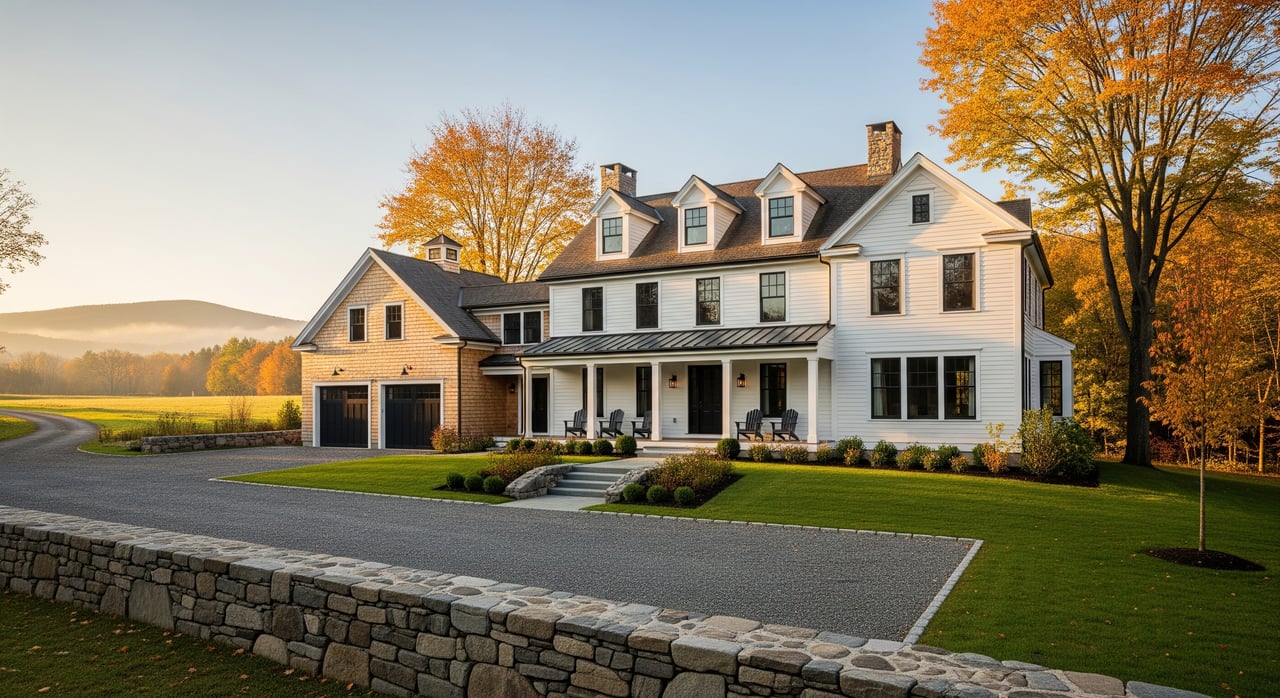
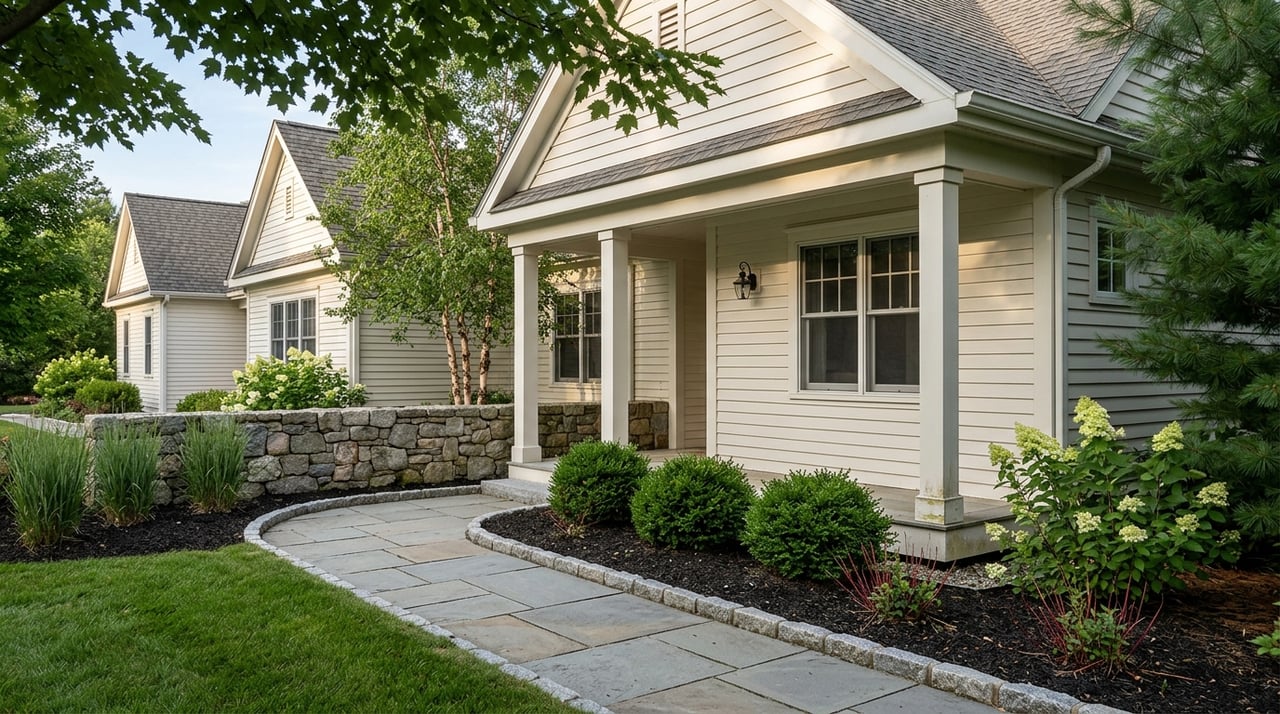
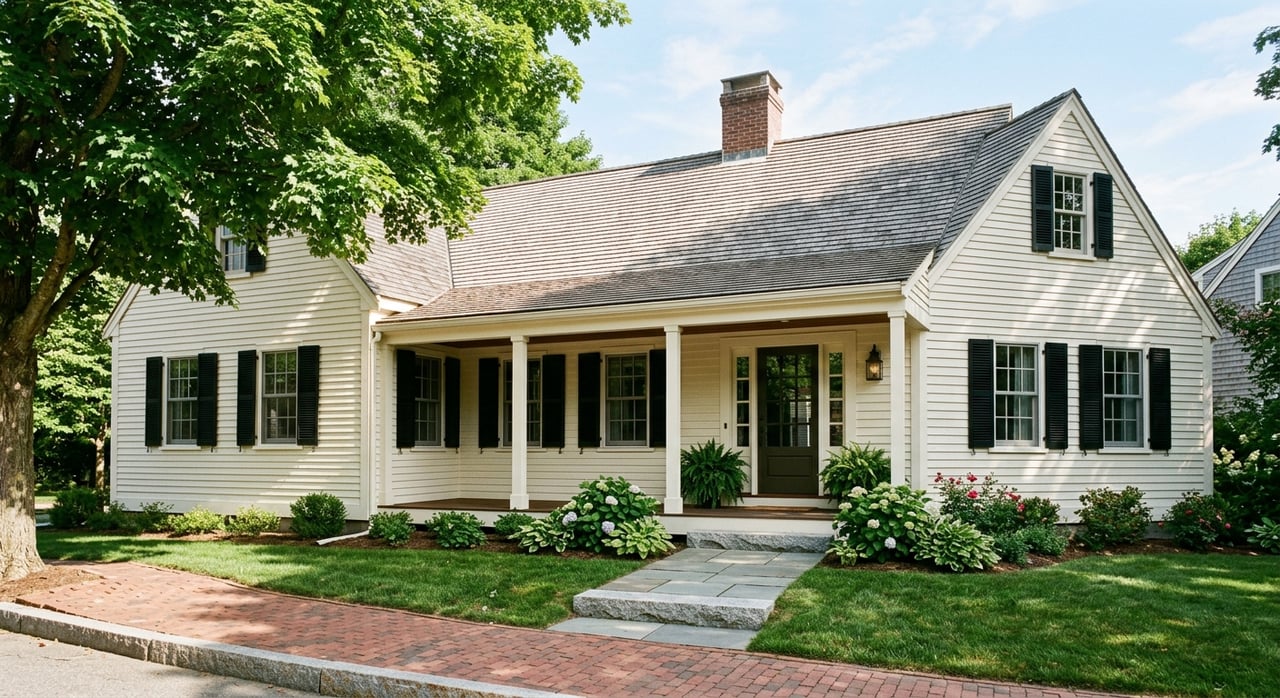
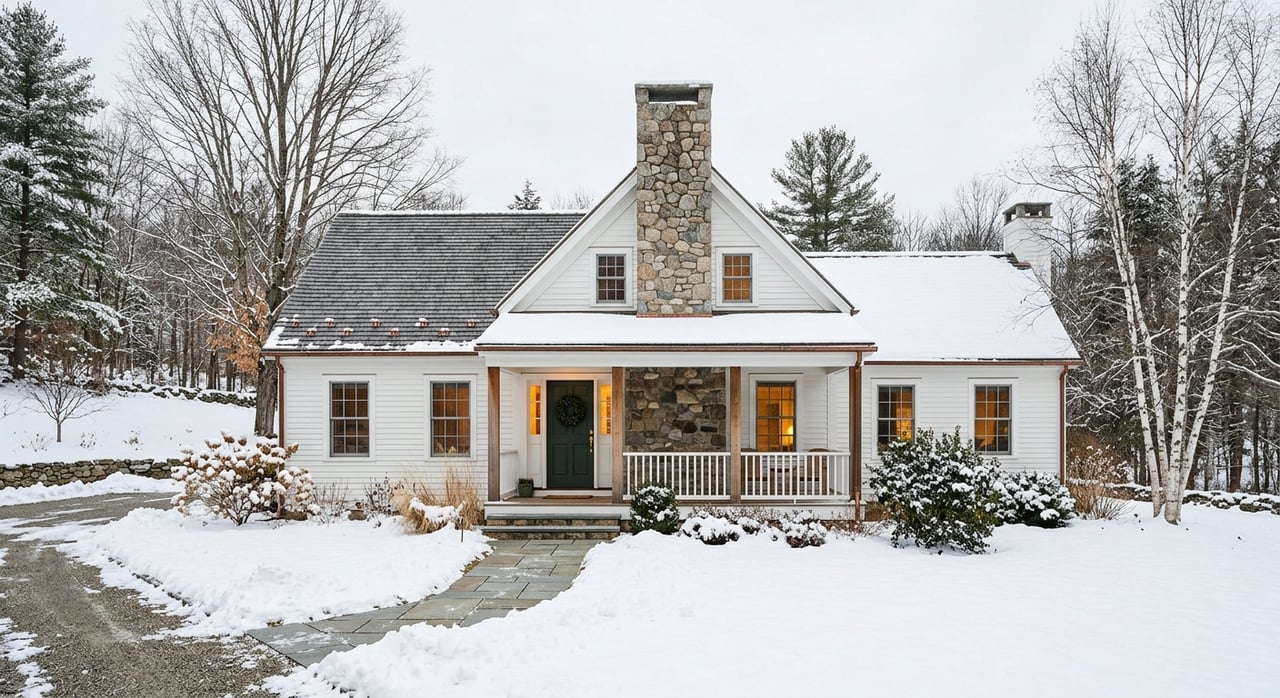
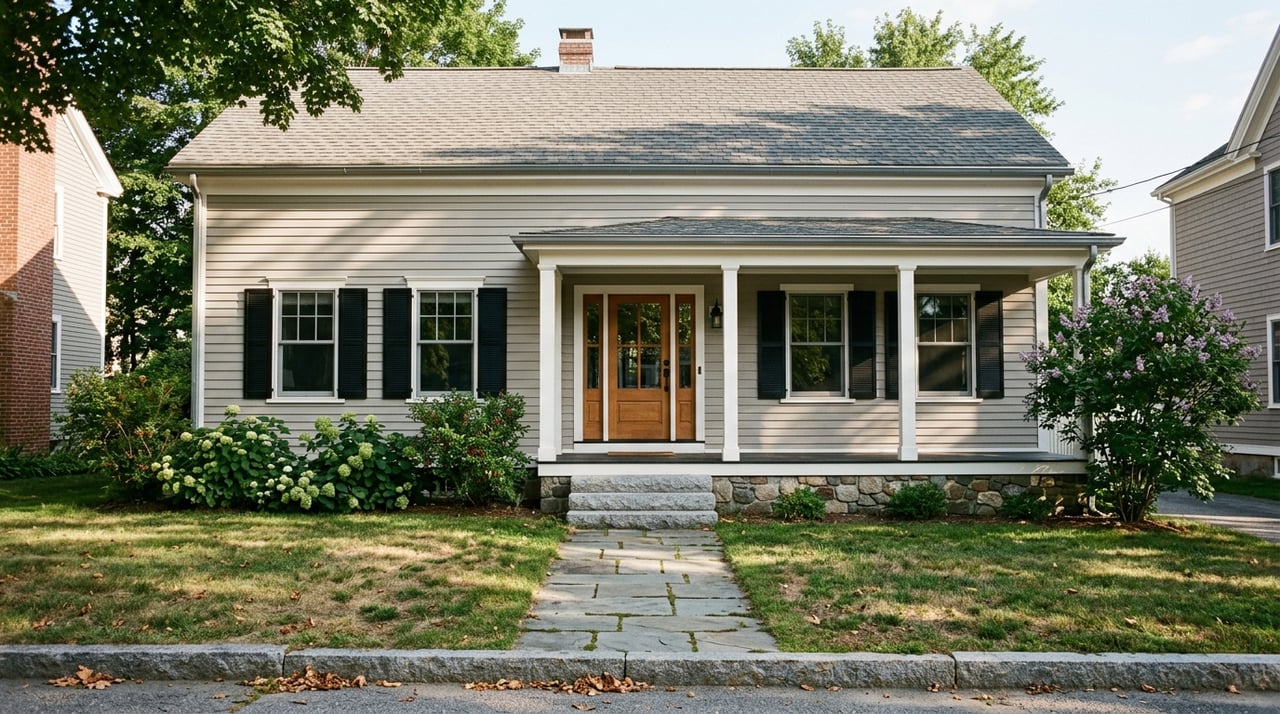
Norwich offers a broad mix of homes. Near the village, you will see historic 18th and 19th century farmhouses and Greek‑Revival or Colonial styles, often updated over time. Mid‑century homes appear in several pockets, and you will also find newer single‑family construction on larger lots as you head farther from the village.
Condos and multifamily options exist but are less common than single‑family homes. Many properties have larger yards, mature trees, or acreage suitable for small hobby farms. As you move away from the village, lot size and rural exposure can change quickly.
Historically, Norwich has been one of the more competitive, higher‑priced pockets of the Upper Valley because of proximity to Dartmouth and village amenities. Inventory can feel tighter than in outlying towns, with fewer turnkey condominium options and a greater share of single‑family listings.
What to expect as a buyer
- Property types: A strong tilt toward single‑family homes, from historic farmhouses to newer builds, with some condos and multifamily options.
- Renovation and systems: Older homes are common. Budget for potential updates to heating systems, insulation, and foundations depending on age.
- Utilities: In village areas you may find municipal water and sewer; many properties outside the village rely on well and septic. Always verify system type and maintenance history.
- Heating fuels: Expect variety, including oil, propane, wood, and heat pumps. Factor fuel type into operating costs.
- Road access: Some homes are on private roads or driveways. Confirm maintenance responsibilities, especially for winter.
Commute to Hanover and Dartmouth
Norwich is one of the most commute‑friendly Vermont towns for getting to Hanover and Dartmouth. Your experience will vary by neighborhood.
- Driving: From much of Norwich village, the drive to downtown Hanover or Dartmouth can be in the single‑digit minutes in normal conditions. Rural addresses add time as distance from the river increases. Peak periods can add a few minutes, and winter weather will slow things down.
- Parking: Dartmouth and the town of Hanover use a mix of permits and municipal lots. Policies vary by employer and department, so confirm details with your workplace.
- Walk or bike: If you live in or near the village, walking or biking across the river via the Ledyard Bridge area is realistic for many. Sidewalk and bike lane coverage varies by block, and winter maintenance can be a seasonal limiter.
- Public transit: Advance Transit runs routes that connect Norwich with Hanover and other Upper Valley towns. Schedules and fare policies change, so check directly for current timetables.
- Employer options: Some larger institutions offer shuttles or commuter programs. Availability varies, so verify with your HR team.
Seasonal planning
- Winter driving: Allow extra time for snow and ice, and monitor storm plans from your employer or school.
- River impacts: Streets near the river can see weather‑related effects. If you are shopping in flood‑adjacent areas, review town hazard maps.
Trails and the outdoors
Norwich is a strong fit if you want trail access without a long drive. The town has an active trails committee and a network of village pathways, town‑forest loops, and regional connections. You will find places suited to walking, running, snowshoeing, and quiet nature time by the river.
- Village trails and town forest: Short routes near the village and larger wooded loops offer quick after‑work outings.
- Riverfront and meadows: The Connecticut River shoreline and adjacent meadows provide seasonal views and wildlife watching.
- Regional connections: You are close to rail‑trail segments, additional woods in neighboring towns, and both cross‑country and downhill ski areas within a short drive.
- Maintenance and seasons: Trails are cared for by volunteers, town staff, and land trusts. Expect mud season closures and shifting winter conditions.
- Nearby attractions: The Montshire Museum sits along the river near Norwich and adds hands‑on science and nature exploration to the mix. Check current hours before visiting.
Community and culture
Norwich’s village green and civic spaces host farmers markets, concerts, and seasonal festivals. The schedule changes yearly, but the small‑town rhythm is a steady part of life.
You also benefit from the cultural ties to Dartmouth. Lectures, performances, athletic events, and cross‑border community programs are part of the local calendar. Regional businesses and educational institutions, including King Arthur Baking Company, host classes and demonstrations that draw residents from around the Upper Valley.
Civic engagement runs deep. Town committees and volunteer boards focused on planning, trails, and conservation shape local decisions. If you like to get involved, there are many ways to plug in.
Daily conveniences
- Groceries and retail: Norwich village has a handful of small local businesses for quick needs. For full‑service grocery runs, many residents drive a short distance to Hanover or Lebanon.
- Health care: Major hospitals and clinics are located in nearby Lebanon, Hanover, and White River Junction. Primary‑care options exist locally or in neighboring towns. When relocating, it helps to confirm provider availability early.
- Utilities and services: Norwich provides municipal services, including public works and seasonal road maintenance. In village areas, some homes connect to town water and sewer. Outside the village, expect private well and septic. Verify details with the town or your property records.
- Broadband: Availability varies by neighborhood. Confirm address‑specific speeds and reliability with providers during your due diligence.
- Childcare and libraries: Options are available in Norwich and nearby towns, but capacity and schedules vary. Many residents use a mix of Norwich and Hanover resources.
Compare Norwich with nearby towns
When comparing Norwich to other Upper Valley options, keep your checklist consistent:
- Commute: Drive time, walkability, bike routes, and bus access to your workplace.
- Property and lot size: Village walkability and smaller lots versus rural acreage and privacy.
- Inventory depth: Current median prices, number of active listings, and average days on market via recent local data.
- Utilities and systems: Municipal water and sewer versus well and septic; heating fuel types and energy‑efficiency updates.
- Parking and campus access: Employer parking benefits, Dartmouth permits, and Hanover municipal rules.
- Lifestyle fit: Proximity to groceries, medical care, cultural programming, and trails.
- Winter living: Driveway slope and length, snow removal plans, and whether the road is town‑maintained or private.
- Regulations: Zoning, conserved land considerations, and any rules affecting renovations or accessory buildings.
Smart relocation steps
- Define your commute: Decide whether you prefer to drive, bus, bike, or walk, and test your route during peak times.
- Narrow your setting: Choose between village proximity and rural acreage based on your daily routine.
- Verify utilities early: Confirm well or septic, town water and sewer, and broadband coverage at any address you consider.
- Plan for updates: For older homes, budget for improvements to heating, insulation, and foundations as needed.
- Visit in all seasons: Winter driving and mud season can change your experience. Walk the property in different conditions.
- Explore the network: Try local trails, check community events, and look at Dartmouth programming to get a feel for your lifestyle fit.
- Confirm parking: If you work near campus, review your employer’s parking policies before you finalize a housing choice.
Work with a local advisor
If Norwich is on your short list, a clear plan and local guidance go a long way. With neighborhood expertise across the Upper Valley and a consultative, low‑pressure approach, you get advice tailored to your goals. A technical background in civil engineering supports property analysis, pricing, and inspection strategy, while professional marketing tools help you compete for the right home.
Ready to talk next steps, neighborhoods, or a short‑list game plan? Reach out to Jaime Durell for local guidance and a calm, step‑by‑step path to your move.
FAQs
How close is Norwich village to Dartmouth?
- From many village addresses, the drive to downtown Hanover or Dartmouth is often in the single‑digit minutes in normal conditions, with more time from rural parts of town.
Can you walk or bike from Norwich to Hanover?
- Yes. From the village, many residents walk or bike across the river via the Ledyard Bridge area, though coverage of sidewalks and bike lanes varies and winter conditions can affect routes.
Is there public transit between Norwich and Hanover?
- Advance Transit operates routes connecting Norwich with Hanover and other Upper Valley towns; check current schedules and fare policies directly before you plan your commute.
Are condos common in Norwich, VT?
- Condos and multifamily options exist but are less common. The market leans toward single‑family homes, with inventory that can feel tighter than in outlying towns.
What utilities should I expect at a Norwich home?
- In village areas, some properties have municipal water and sewer. Many homes outside the village rely on private wells and septic systems. Always verify system type and maintenance history.
How does winter affect commuting in Norwich?
- Snow and ice can slow travel and add variability. Budget extra time, monitor employer or school delay policies, and keep in mind that river‑adjacent areas may see weather impacts.
Where do Norwich residents shop for groceries?
- You will find small local businesses in the village for quick needs, with full‑service grocery options a short drive away in Hanover or Lebanon.