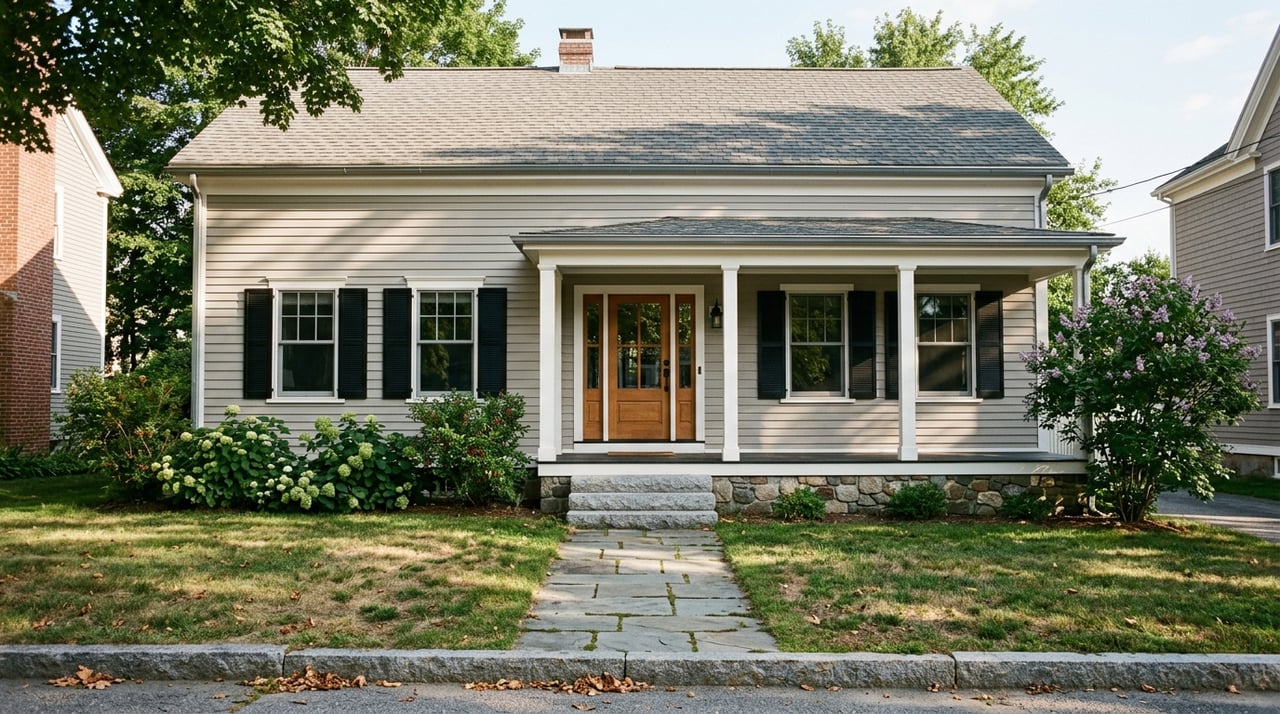
Upper Valley Septic, Wells, and Private Roads Guide
Buying in the Upper Valley can mean more than choosing the right house. In many parts of New Hampshire, you may also be taking on private water, onsite wastewater, and shared road access. That can feel like a lot if you are used to town water, sewer, and public streets, but with the right questions early on, these properties can be very manageable. This guide walks you through what to review, what to budget for, and where buyers should dig deeper before closing. Let’s dive in.
Many homes in rural and semi-rural parts of New Hampshire rely on private systems rather than municipal infrastructure. According to the New Hampshire Department of Environmental Services, a significant share of New Hampshire residents use private wells, so this setup is common rather than unusual.
That said, common does not mean hands-off. If a home has a private well, septic system, or private road access, you will likely be responsible for testing, maintenance, and understanding long-term costs. For Upper Valley buyers, that makes due diligence especially important.
A private well can work very well for a home, but it shifts responsibility to the homeowner. NHDES explains that New Hampshire does not require statewide private well testing, and homeowners are responsible for testing and any treatment that may be needed.
For buyers, the key takeaway is simple: test the water during your inspection period whenever possible. NHDES specifically recommends prospective buyers test before purchase, since the results help you understand both water quality and whether treatment may be needed.
In New Hampshire, common groundwater concerns can include bacteria, arsenic, uranium, iron, manganese, radon, chloride, and PFAS. NHDES notes that these issues can come from natural geology as well as nearby land uses such as septic discharges and road salt.
That matters because you do not want to assume a seller’s old report tells the full story. A water test should reflect the property’s current conditions and the specific risks tied to the site.
Testing is usually a modest cost compared with the value of the information it provides. The New Hampshire public health lab and NHDES guidance indicate a homebuyer well test is about $90, while similar standard analyses at accredited labs often run about $85 to $125.
That is often money well spent because the test results help you budget more accurately. If treatment is needed, NHDES also points out that the right system depends on the actual contaminants found, and water softeners do not remove arsenic.
Before you move forward, ask for as much detail as possible about the well and any water treatment setup.
Well location can matter on tighter or more complex lots. NHDES guidance on well siting includes separation distances from property lines, surface water, and possible contamination sources.
If you are buying a smaller lot, a property with existing septic infrastructure, or land where future improvements may be planned, those setback rules can become part of the bigger picture. This is one place where careful review now can help you avoid surprises later.
A septic system is another area where buyer education matters. The EPA states that the system owner is responsible for operation, maintenance, repairs, and replacement, so you want to understand exactly what you are inheriting.
The good news is that most septic systems are manageable with regular care. The challenge comes when records are missing, maintenance has been deferred, or the system is not sized or configured the way you expected.
Maintenance schedules vary, but both federal and state guidance point to regular attention. EPA recommends inspecting an average household septic system at least every three years and pumping every three to five years, while NHDES homeowner guidance is more conservative and advises annual inspection and pump-out at least every two to three years.
Budgeting for that routine care is part of owning a rural home. According to the EPA’s septic maintenance guidance, routine pumping and maintenance often cost about $250 to $500 every three to five years, while repairing or replacing a malfunctioning conventional system can cost roughly $5,000 to $15,000.
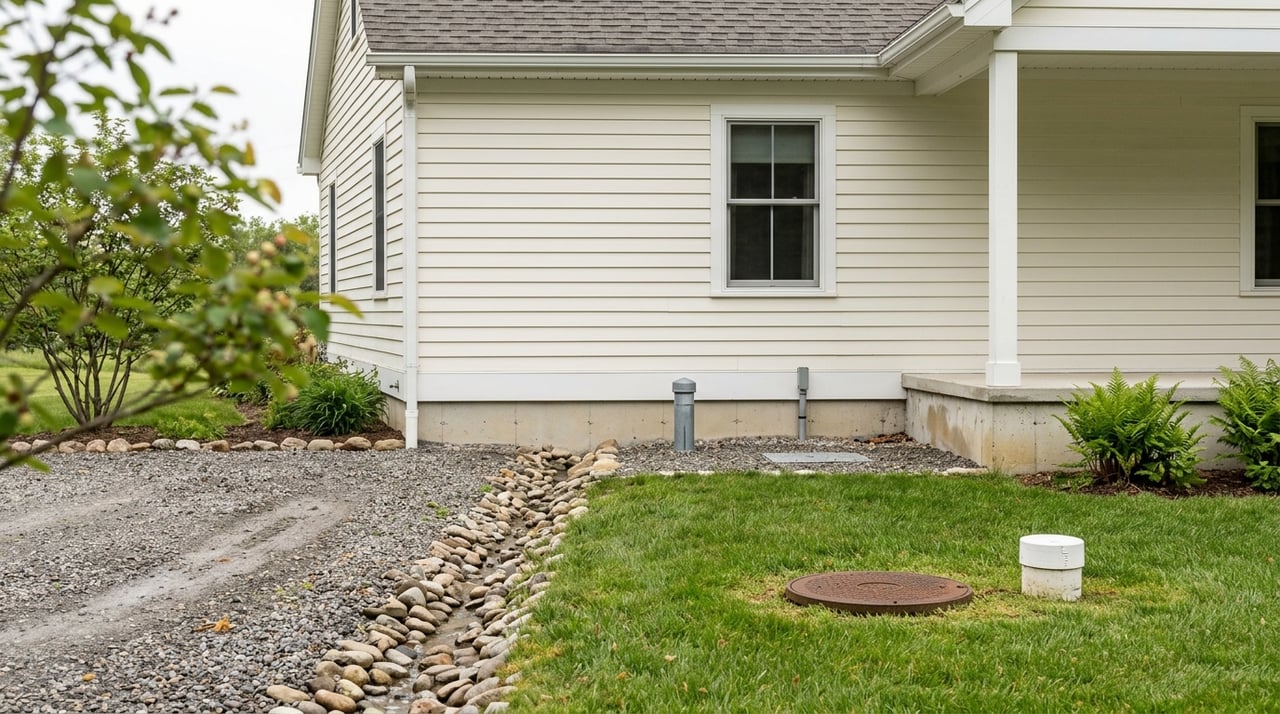
A few red flags deserve immediate attention during a showing or inspection period. The EPA lists wastewater backups, gurgling drains, odors near the tank or drainfield, bright green spongy grass over the leach field, and wet or ponded areas as signs that a system may need evaluation.
It is also smart to look at how the property is being used. Vehicles parked over the drainfield can damage buried pipes and disrupt normal flow, which can shorten the life of the system.
Records matter just as much as the physical inspection. Ask for the septic permit history, design plan, pumping receipts, and maintenance records if available.
For many New Hampshire systems approved after 1986, NHDES Subsurface OneStop may help confirm whether state approvals exist, while older systems may require archive requests or town records. NHDES also notes that state approval includes both construction approval and operational approval, so it is worth checking for a complete file when possible.
Use these questions to guide the conversation before you commit.
Road access can be easy to overlook when you are focused on the house itself. In the Upper Valley, though, phrases like private road, shared driveway, or Class VI access should prompt a few extra questions.
Under New Hampshire law, when more than one residential owner benefits from a private road and there is no express agreement, each owner must contribute equitably to the reasonable cost of maintenance. The law also distinguishes Class V town-maintained roads from Class VI highways, which are non-maintained local roads.
The practical issue is not just legal access. It is also how maintenance works in real life and what that means for your budget.
Before closing, confirm:
Even if there is no recorded agreement, do not assume the road comes with no obligation. State law may still impose a fair-share maintenance duty if multiple residential owners benefit from it.
If you are considering a home with rural infrastructure, keep your review focused and practical. Before making an offer or during your due diligence period, try to gather the following:
This paperwork matters because the house price is only part of the cost of ownership. As New Hampshire guidance on private water testing makes clear, private systems may add testing, treatment, service, and replacement costs that urban buyers do not always expect.
Private wells, septic systems, and private roads are a normal part of many New Hampshire purchases. They are not automatic red flags, and for many buyers they are simply part of owning a home in a beautiful rural or semi-rural setting.
What matters most is understanding your responsibilities before you close. When you review records, test appropriately, and ask the right questions early, you can make a more confident decision and budget for the property realistically.
If you are weighing homes in the Upper Valley and want a steady, detail-oriented guide through the process, Jaime Durell can help you evaluate the full picture before you buy.
Stay up to date on the latest real estate trends.

Real Estate Tips
Boost Your Home's Value with Easy, High-Impact Improvements