Norwich VT Historic Homes or Modern Living?
If you are torn between a house with history and one that feels easier to live in from day one, Norwich gives you a real choice. In this small but high-value Vermont market, buyers often weigh charm, upkeep, efficiency, and resale appeal just as carefully as square footage or style. The good news is that Norwich offers two distinct housing paths, and each can be a smart fit depending on how you want to live. Let’s dive in.
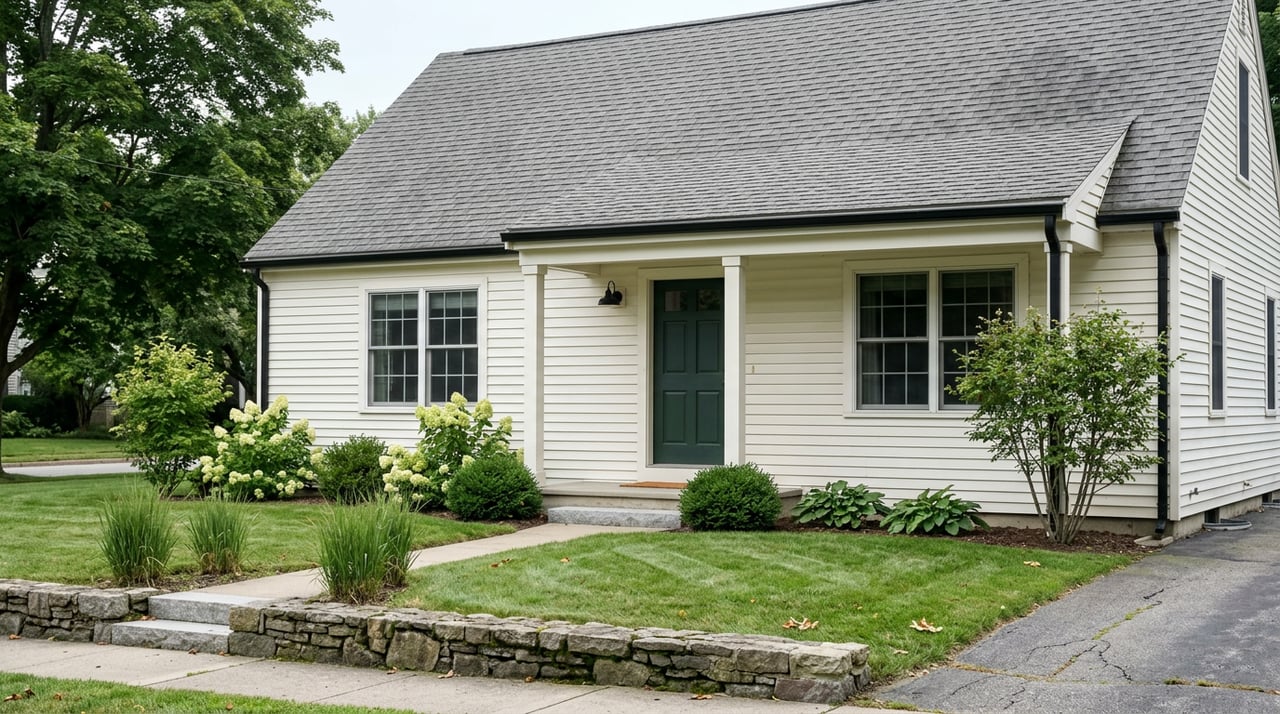
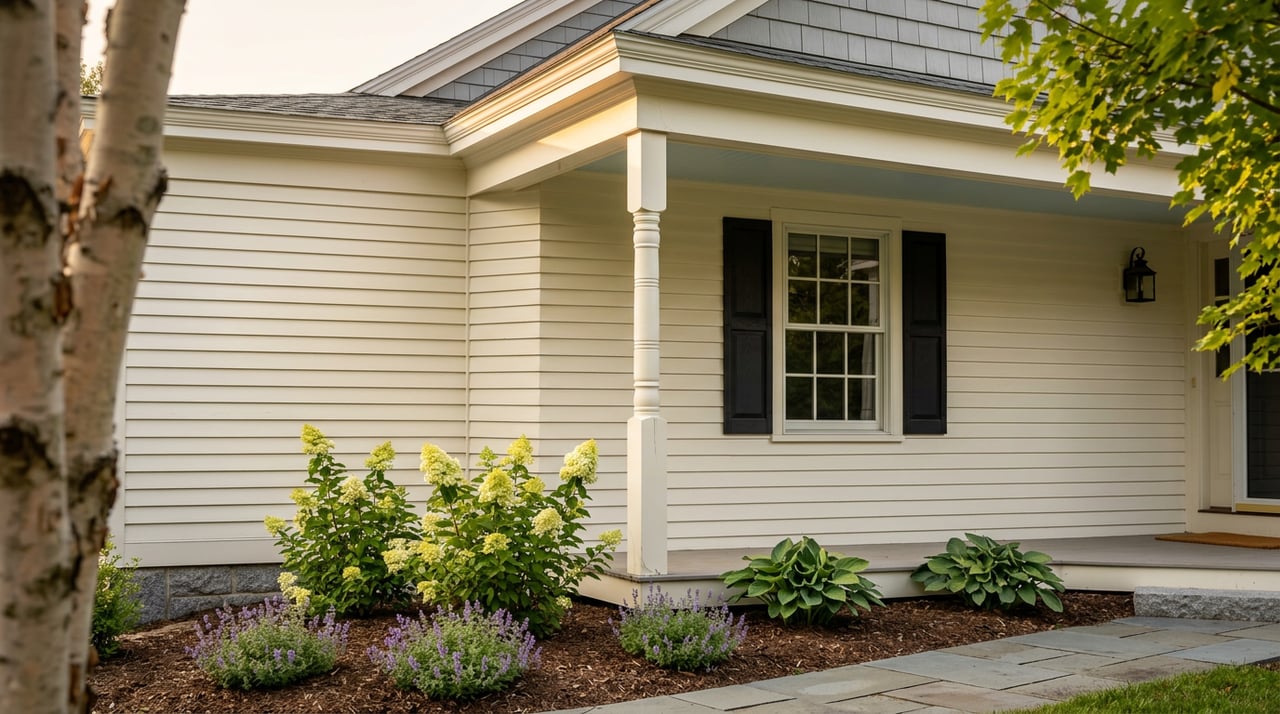
Norwich stands out because its housing stock includes two very different eras that both have a strong identity. In the town center, the Norwich Village Historic District reflects a traditional rural Vermont streetscape with homes on relatively flat lots, set close to the road and shaded by mature trees.
West of the village, Norwich also has a recognized mid-century modern district that adds a postwar design layer to the market. That means your decision is not just about old versus new. It is about whether you prefer historic continuity and craftsmanship or open design and modern-day flow.
Norwich is also a place where buyers tend to think long term. With a median household income of $140,313 and a median owner-occupied home value of $637,500, it makes sense to compare maintenance needs, efficiency, and future appeal alongside architectural style.
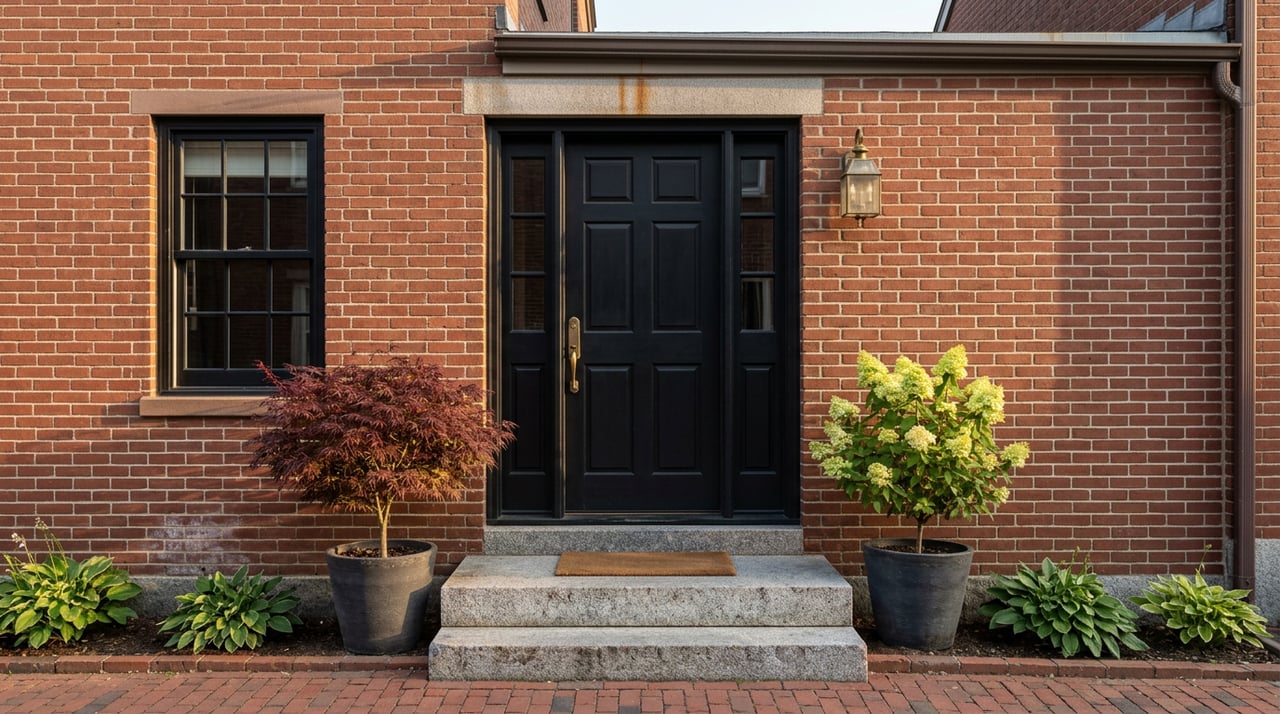
The village district is rooted in the late 18th through early 20th centuries, with much of its building activity taking place between 1800 and 1850. Homes here are described as Federal, Greek Revival, Colonial Revival, and vernacular in character.
In practical terms, you will often see one-and-a-half- to two-and-a-half-story houses with clapboard or brick exteriors. The streetscape has a strong visual continuity, which is a big part of the appeal for buyers who want a home that feels connected to Norwich’s long history.
For many buyers, the draw is simple. Historic village homes often offer original proportions, visible craftsmanship, and a sense of place that can be hard to replicate in newer construction.
If you enjoy older architecture, mature landscaping, and a neighborhood setting that feels established, a village home may feel especially compelling. These homes can offer a daily experience that is as much about setting and character as it is about the house itself.
The tradeoff is that older homes often require a more thoughtful approach to maintenance and efficiency. Insulation, air sealing, and window performance can all have a bigger impact in an older property.
That matters in Vermont. According to the Department of Energy, windows can account for 25% to 30% of residential heating and cooling energy use, and insulation and air sealing can reduce energy bills in existing homes.
The encouraging part is that efficiency and preservation do not have to compete. National Park Service guidance notes that historic buildings can be weatherized and improved in ways that preserve their character and materials. In other words, a well-kept historic home can absolutely become more comfortable, but the work usually needs to be planned with care.
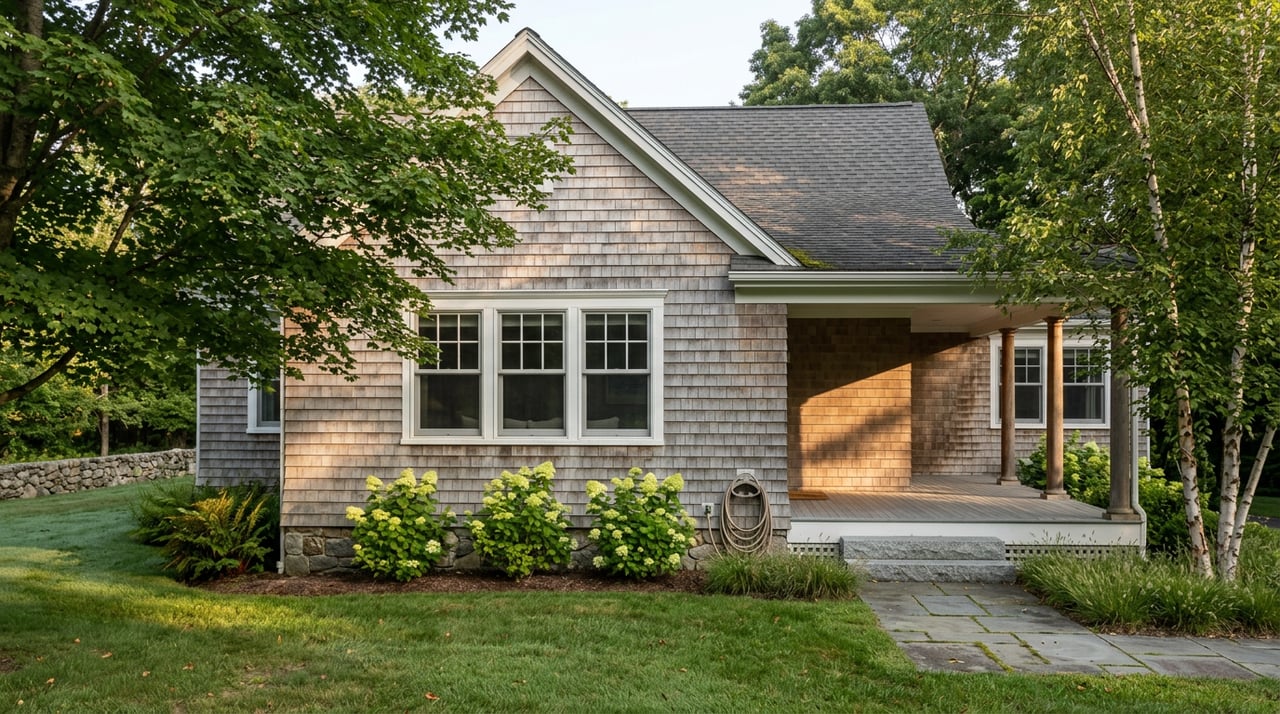
Norwich’s postwar housing layer is unusually significant for a town with such a traditional New England image. Local sources describe these mid-century homes as low-slung houses built between 1945 and 1974, often architect-designed, with abundant windows and open interiors.
The district is notable enough to be recognized as one of the best concentrated collections of high-style modern movement homes in Vermont. These homes create a very different living experience from the village core, even though both are clearly part of Norwich’s identity.
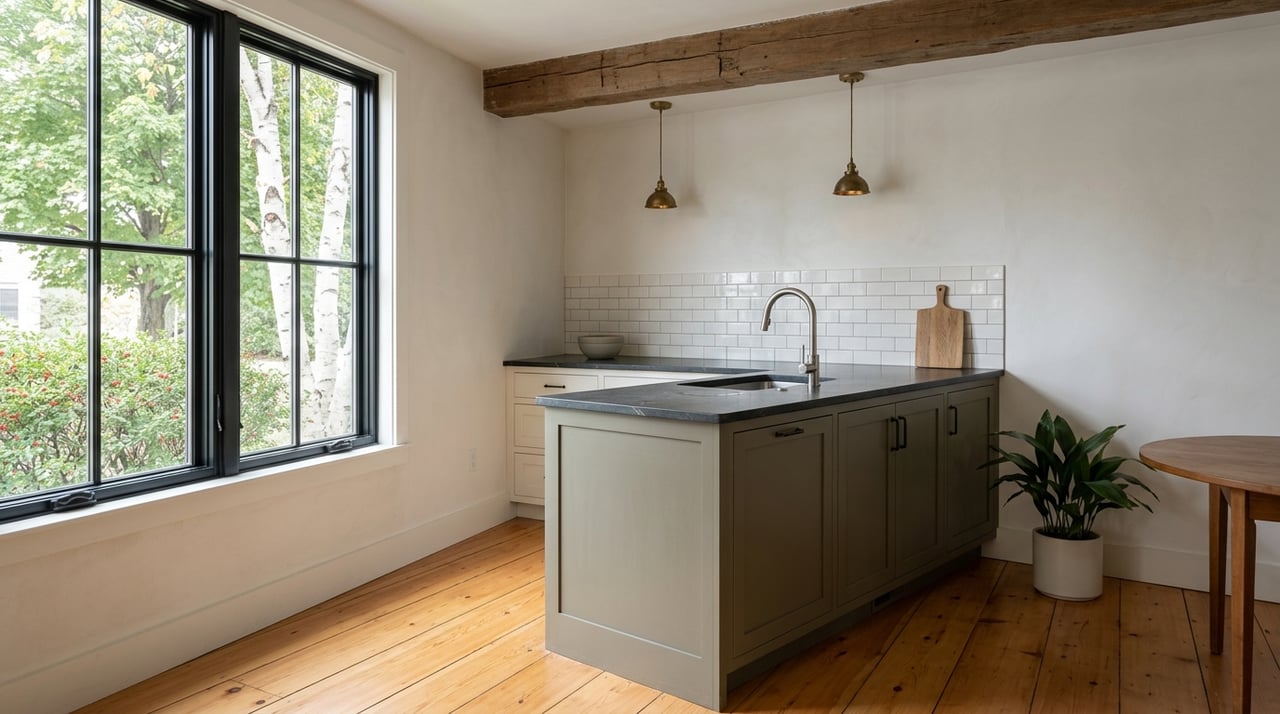
Many of the features that define mid-century and modern homes still line up with what buyers want today. Large glass areas, open rooms, low-pitched or flat roofs, and strong connections to the landscape can make these homes feel bright, flexible, and welcoming.
If you prefer less formal layouts and spaces that adapt easily to daily routines, this style may feel more natural. Buyers often appreciate how these homes support entertaining, working from home, and everyday living without a lot of compartmentalized rooms.
These homes are not maintenance-free. Norwich sources note that some were built with materials such as plywood, had limited insulation, and relied on extensive glass and flat or inverted roofs that can be harder to maintain in a cold, snowy climate.
Some original single-paned, metal-framed windows may also fall short of today’s efficiency expectations. That does not make these homes a poor choice, but it does mean you should look closely at roof condition, window performance, and the quality of any past updates.
If your priority is efficiency and systems that start from a more current baseline, newer construction may have an edge. Efficiency Vermont states that the latest Vermont Residential Building Energy Standards took effect on July 1, 2024, for construction started on or after that date.
That does not guarantee a perfect home, and every property still deserves careful review. Still, recently built homes are more likely to reflect current energy-code expectations than older homes in either the historic village or the mid-century district.
In Norwich, the right choice often comes down to lifestyle and time horizon. Neither option is objectively better. The question is which set of tradeoffs feels more comfortable to you.
A helpful way to think about Norwich homes is to ask what kind of work you are willing to own. Historic homes often need preservation-minded care focused on the building envelope and systems.
Modern homes often need careful review of roofs, glass, and past alterations. In both cases, the best purchase is usually the one where the home’s architectural identity has been respected and the maintenance record is clear.
Before you move forward on any Norwich home, pay close attention to:
Norwich has an active preservation framework, including a local Historic Preservation Commission. That matters because preservation in town is not just theoretical. It is part of how Norwich manages and values its built environment.
At the same time, National Register listing by itself is honorific for private owners and does not automatically restrict what a non-federal owner may do under federal law. Still, state or local rules can apply, so it is worth confirming what matters for the specific property you are considering.
In a high-value market like Norwich, resale appeal is often strongest when a home keeps its architectural identity while showing credible updates. Buyers tend to respond well when the style still feels authentic and the practical work has already been addressed.
That could mean a historic village home with sensitive weatherization and well-documented system improvements. It could also mean a mid-century property with a sound roof, updated windows, and comfort upgrades that support the original design rather than fight it.
If you are choosing between charm and convenience, the better question may be this: which kind of home will you feel good maintaining over time? In Norwich, both paths can make sense when the fit is right and the details have been carefully evaluated.
If you want help comparing Norwich properties with a practical, low-pressure approach, Jaime Durell can help you look past surface style and focus on the details that matter for how you want to live.
Stay up to date on the latest real estate trends.