If you want to increase your home’s value, the first instinct is often to think about major renovations: kitchens, bathrooms, additions, or full-scale updates. But in reality, most homeowners are surprised to learn that some of the highest-return improvements require no remodeling at all.
In today’s real estate market, buyers are making faster decisions, comparing more listings online, and placing higher value on presentation, condition, and perceived upkeep. According to the National Association of REALTORS®, most buyers begin their search online, and listing photos often determine whether a home gets a showing in the first place. That means small, strategic improvements can have an outsized impact on perceived value, and ultimately, your final sale price.
Here’s how to increase your home’s value without remodeling, using strategies that consistently perform in real-world markets.
Why Do Small Improvements Increase Home Value More Than Remodeling?
Not all improvements are created equal. In fact, many large-scale renovations do not return dollar-for-dollar value at resale. Remodeling Magazine’s Cost vs. Value Report consistently shows that mid-range renovations often recoup only a portion of their cost, depending on the market and timing.
By contrast, smaller improvements that enhance cleanliness, lighting, and presentation can dramatically influence buyer perception at a fraction of the cost.
Buyers don’t just evaluate what a home is; they evaluate how it feels. A well-maintained, clean, and visually appealing home signals lower perceived risk, which often leads to stronger offers and better negotiating positions.
How Does Curb Appeal Impact Your Home’s Value?
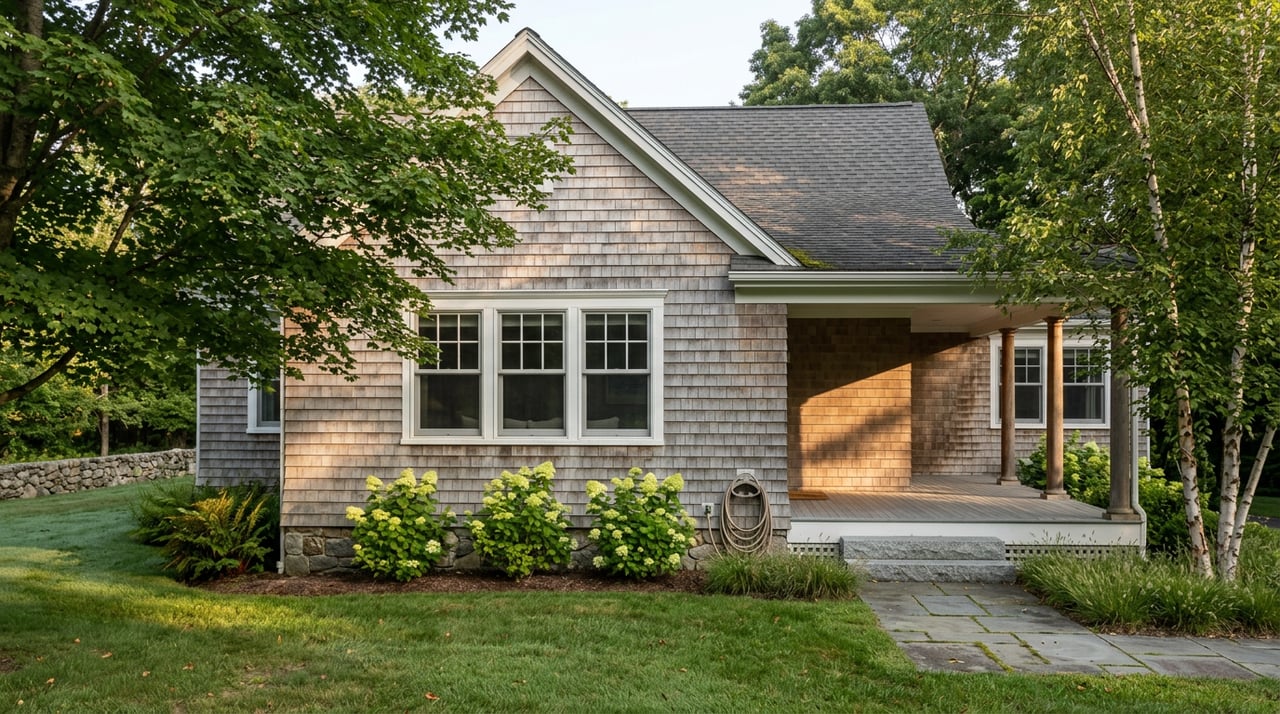
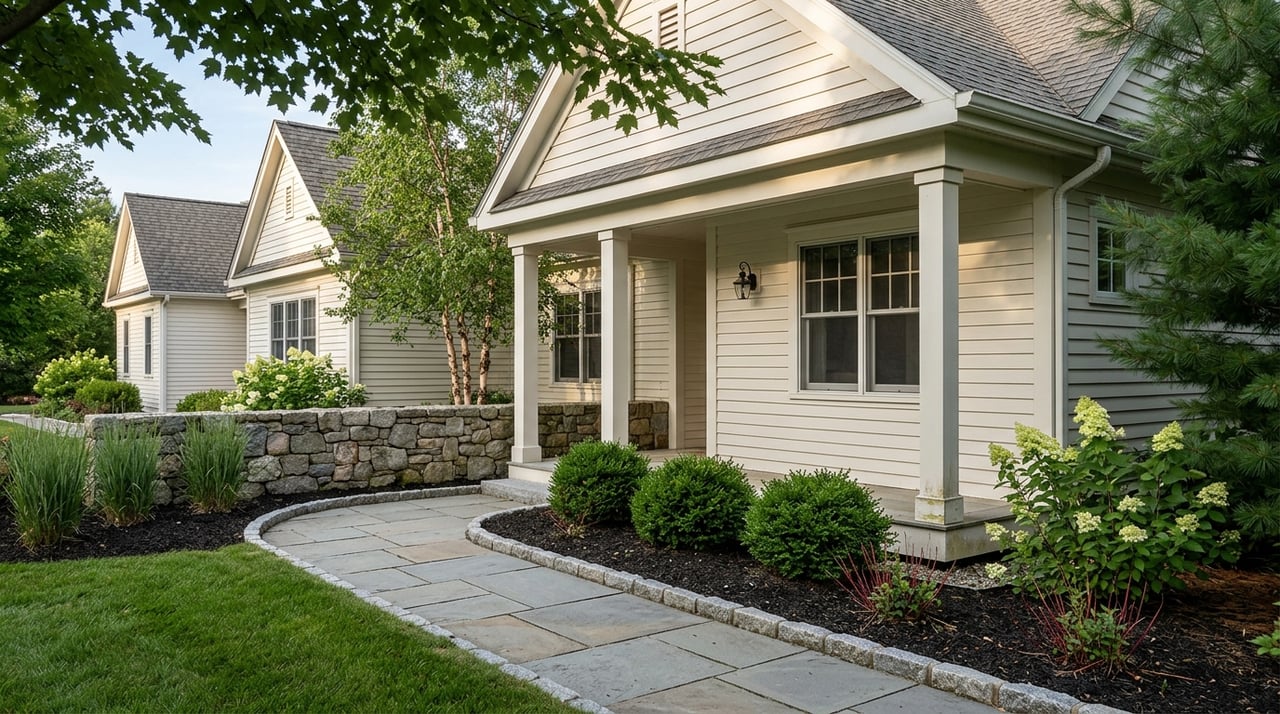
Curb appeal is one of the most powerful, and most overlooked, factors in determining perceived home value. Studies in real estate behavior consistently show that buyers form an opinion within seconds of seeing a property in person or online.
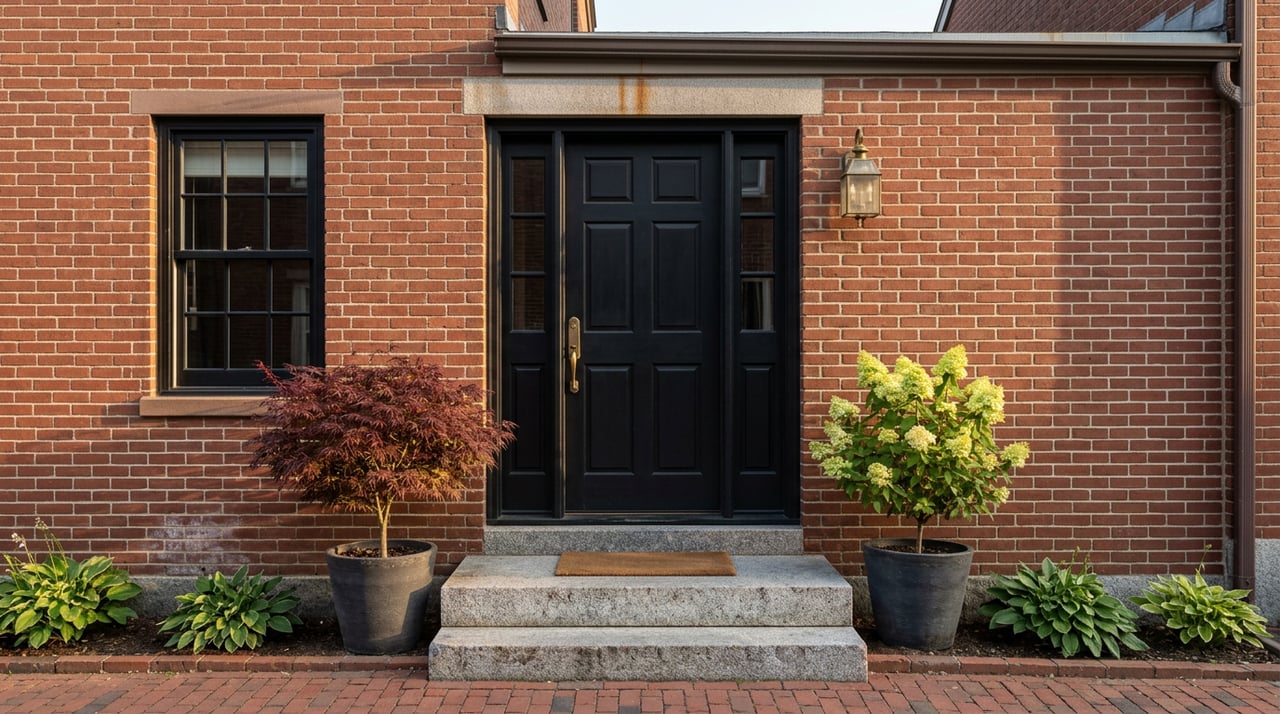
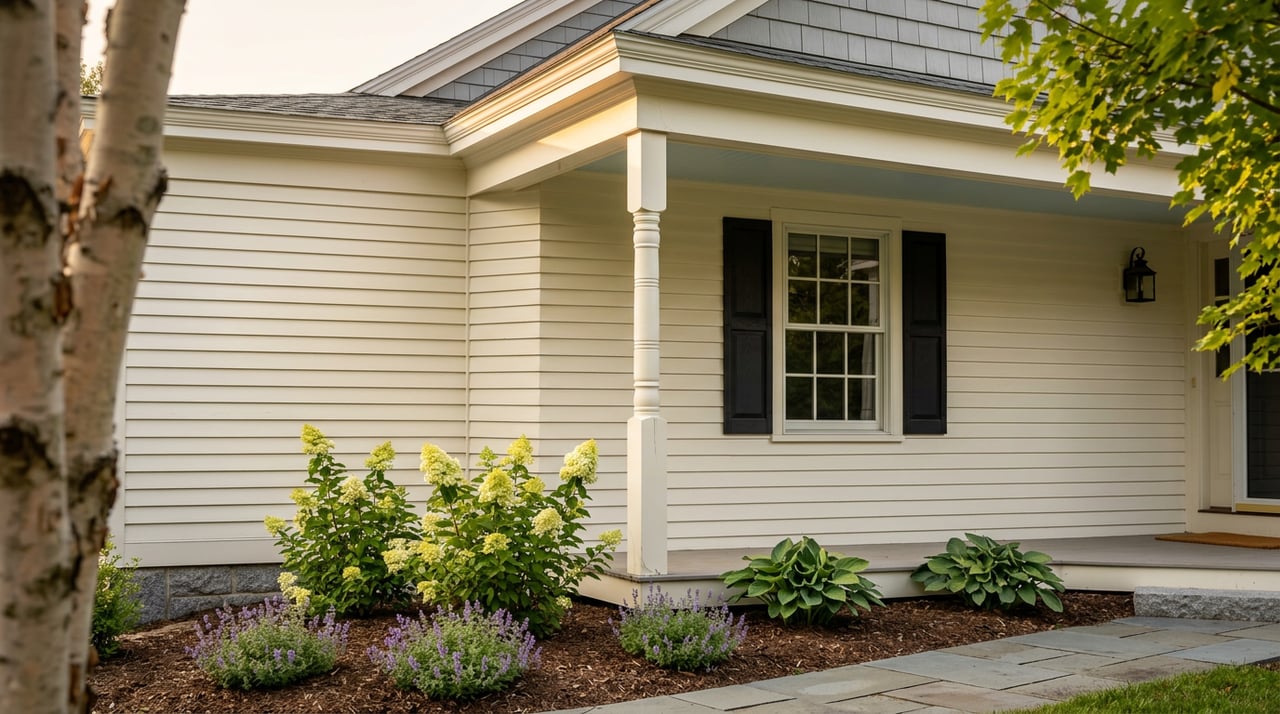
You don’t need landscaping overhauls or expensive exterior renovations to make a strong impact. Simple improvements such as fresh mulch, trimmed shrubs, clean walkways, and a freshly painted front door can significantly change first impressions.
Even pressure washing siding, driveways, and walkways can make an older home feel more updated and well cared for. In many cases, these small exterior updates increase showing activity simply because the home “looks newer” in listing photos.
Does Decluttering Really Increase Home Value?
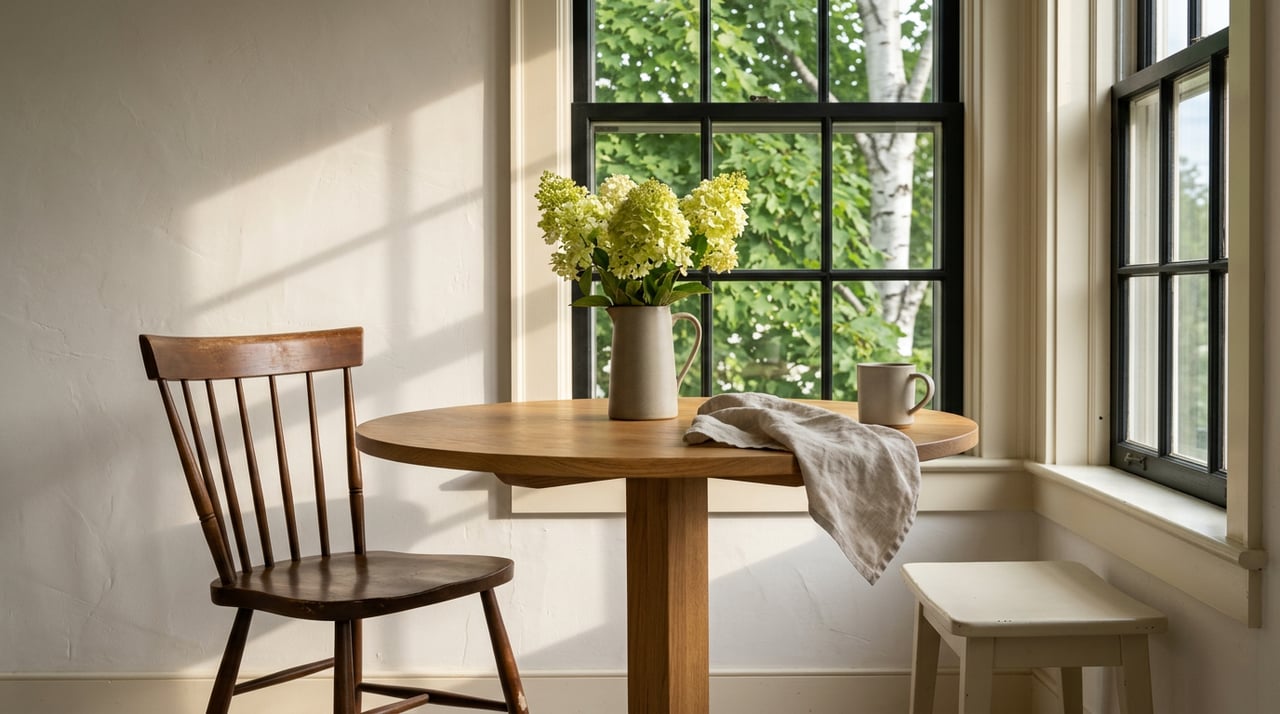
Yes, and in more ways than most sellers realize. Decluttering does not change the physical structure of a home, but it directly changes how large, functional, and livable it feels. Buyers are not just evaluating square footage; they are imagining how their life fits into the space.
Homes that feel crowded or overly personalized tend to photograph smaller and distract buyers from the actual features of the property. On the other hand, clean, simplified spaces allow rooms to feel more open and flexible.
Closets, kitchens, and living areas are especially important. Buyers consistently overestimate the importance of storage space, so making closets appear larger and more organized can have a measurable impact on perceived value.
How Does Lighting Affect Perceived Home Value?
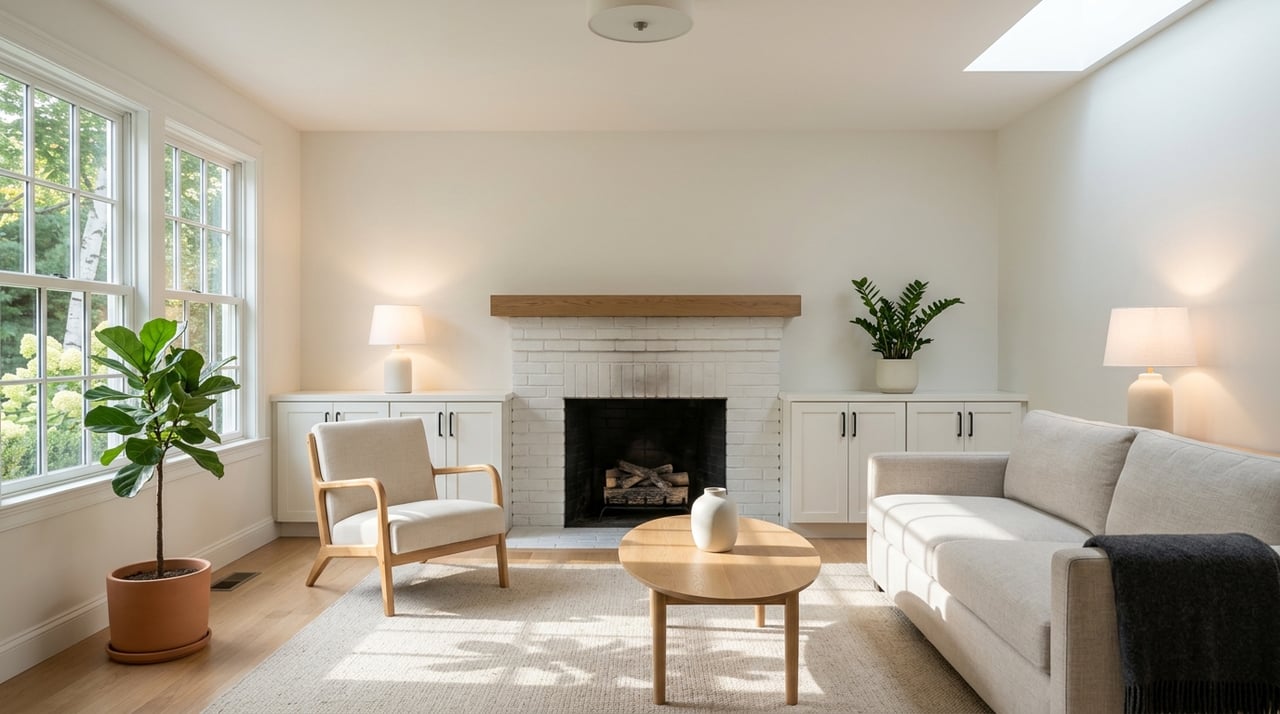
Lighting is one of the most cost-effective ways to improve a home’s appeal without any remodeling. Bright, well-lit spaces consistently photograph better and feel more inviting during showings.
Many homes are unintentionally under-lit, especially when outdated bulbs or mismatched lighting temperatures are used. Replacing bulbs with consistent warm LED lighting and maximizing natural light by opening blinds can immediately improve how a home is perceived.
Real estate photography studies have shown that brighter images tend to receive more engagement online, which translates into more showing requests and higher buyer interest.
In simple terms, better lighting often equals better offers, not because the home changed, but because perception did.
Can Paint Increase Your Home’s Value Without Renovation?
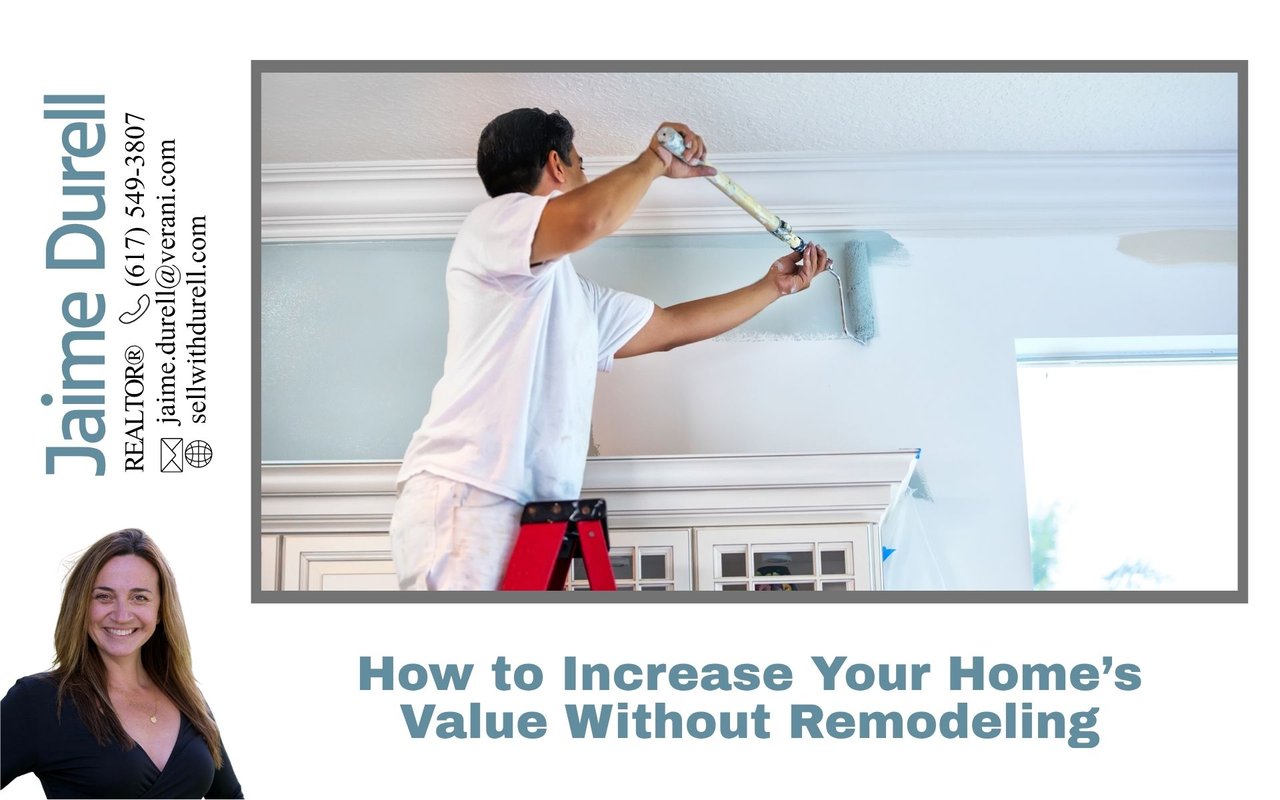
Interior paint remains one of the highest return-on-investment improvements in real estate, often cited as one of the most cost-effective ways to refresh a home before listing. Neutral, modern tones help buyers visualize their own furniture and style in the space. While bold colors may reflect personality, they can also limit buyer imagination.
Fresh paint also signals maintenance. Buyers often associate newly painted walls with a well-cared-for home, even if no other updates have been made. Importantly, painting is not considered remodeling; it is refreshment. That distinction is what makes it such a powerful pre-listing strategy.
Do Small Repairs Really Affect Home Value?
Absolutely. Minor repairs play a larger psychological role than most homeowners expect.
Buyers tend to notice small defects quickly, and even minor issues can lead to assumptions about overall maintenance. A dripping faucet, loose cabinet handle, or cracked outlet cover may seem insignificant, but collectively they can reduce perceived value.
These are not expensive fixes, but they reduce buyer hesitation. In real estate, hesitation often translates into lower offers or increased negotiation pressure. The goal is not perfection; it is confidence. Buyers pay more when they feel confident about what they are purchasing.
How Does Professional Photography Increase Home Value Perception?
In today’s market, nearly every home purchase begins online. That means your listing photos function as your first showing, and often your most important one.
Professional real estate photography highlights space, lighting, and flow in a way that smartphone images cannot replicate. According to industry studies, homes with professional photography tend to receive significantly more online engagement than those without.
This increased engagement often leads to more showings, more competition, and ultimately stronger offers. Even if the home itself has not changed, presentation changes everything.
Can Strategy Alone Increase Your Home’s Value?
Yes, and this is where experience matters most. Pricing strategy, market timing, and positioning can influence your final sale price just as much as physical improvements. Two identical homes can sell for different prices simply based on how they are presented and priced relative to competition.
A strong real estate strategy considers:
- Current local inventory levels
- Recent comparable sales
- Buyer demand trends
- Seasonal market conditions
- Online listing performance
When these factors are aligned correctly, homes often sell faster and closer to—or above—asking price.
Final Thoughts
Increasing your home’s value does not always require construction, renovation, or major investment. In many cases, the most effective improvements are strategic, visual, and psychological.
Curb appeal, lighting, cleanliness, minor repairs, and professional presentation all work together to shape buyer perception. And in real estate, perception directly influences price.
The homes that consistently achieve the strongest results are not always the most upgraded. They are the most thoughtfully prepared.
Ready to Understand What Your Home Is Worth?
If you are considering selling your home in New Hampshire or Vermont, understanding your true market value before making any changes is essential. The right strategy can help you avoid unnecessary expenses while focusing only on improvements that actually impact buyer demand and final sale price.
Every home and market is different, and small strategic decisions can make a significant difference in how quickly your home sells and what buyers are willing to pay.
Contact me, Jaime Durell, REALTOR®, for expert real estate guidance, personalized home value insights, and a tailored strategy designed to help you maximize your home’s value without unnecessary remodeling. Whether you are planning to sell soon or just exploring your options, you will receive clear, data-driven advice to help you make confident decisions in today’s market.
Sources: National Association of REALTORS®, Remodeling Magazine Cost vs. Value Report, Zillow Consumer Housing Trends Report, Freddie Mac Primary Mortgage Market Survey, Realtor.com Market Data, Harvard Joint Center for Housing Studies, U.S. Census Bureau Housing Data, Federal Reserve Economic Data (FRED), National Association of Home Builders (NAHB), CoreLogic Home Price Index