What to Know About a Sunapee Four Season Home
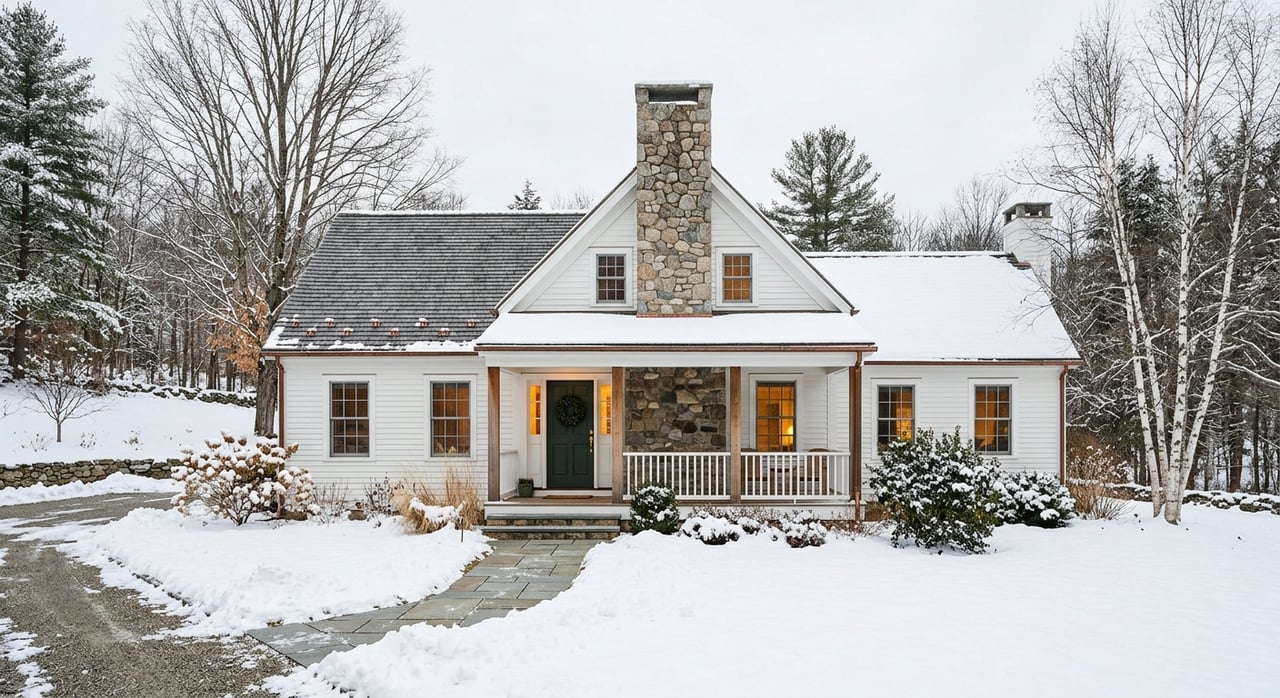
If you picture Sunapee as only a summer lake town or only a winter ski town, you may miss what makes owning here so appealing. A four-season home in Sunapee can support very different routines across the year, from beach days and boating to snowy driveways and ski gear. If you are thinking about buying, it helps to understand how location, access, and upkeep can shape daily life in every season. Let’s dive in.
Sunapee’s year-round lifestyle is built around the lake, the mountain, and town recreation areas. The Lake Sunapee watershed covers about 47 square miles across six towns and includes 13 lakes and ponds, while Lake Sunapee itself spans 4,155 acres. The town also identifies places like Sunapee Harbor, Dewey Beach, Georges Mills Beach, boat launches, docks, and related parking areas as public recreation areas.
In the warmer months, many owners focus on the lake. Boating, swimming, paddling, and beach use are central parts of summer, and Lake Hosts staff the lake’s ramps during boating season. Mount Sunapee also adds warm-weather options like scenic chairlift rides, downhill biking, hiking, and disc golf.
When winter arrives, the rhythm changes but the activity does not stop. Mount Sunapee State Park remains a major recreation area, and the resort shifts to skiing and riding, including beginner-friendly terrain at South Peak. Even lake operations adjust with the season, including winter water-quality monitoring in Sunapee Harbor.
For you as a homeowner, that seasonal swing matters. A property that feels perfect in July may function very differently in January, so it is smart to think beyond views and square footage. Access, parking, storage, and winter logistics all matter when a home is meant to work all year.
A four-season home in Sunapee often works best when it is set up for gear, weather, and easy transitions. Many buyers find that a mudroom or defined entry, durable flooring, and practical storage make a big difference after a day on the lake or on the slopes. A garage or convenient parking area can also make daily life much easier.
Driveway layout is another detail worth watching closely. Sunapee’s winter parking rules make snow removal a serious consideration, so you want a property where plowing can happen without blocking access or creating awkward turnaround issues. That may sound simple, but in practice it can affect how comfortable the home feels all winter long.
If you are looking at a second home, systems matter just as much as lifestyle features. A house that sits part of the season still needs to handle freeze-thaw conditions in winter and changes in occupancy during summer. That makes condition, maintenance history, and practical setup especially important.
Lakefront and near-lake homes can be especially appealing in Sunapee, but they also call for more careful questions. If a property includes water access, you will want to know whether the dock is private or shared, and whether it is seasonal or permanent. You should also confirm how access works on the lot itself and whether it depends on rights through another parcel.
This matters because Sunapee’s zoning rules treat waterfront access, beach and dock construction, and common waterfront areas as specific land-use issues. The town also states that lots in the shoreline overlay district cannot simply be used as common access for other lots without approval. In short, not all “water access” works the same way in real life.
Shoreline property also brings added regulation. New Hampshire’s Shoreland Water Quality Protection Act applies to land within 250 feet of lakes and ponds larger than 10 acres. Sunapee has its own shoreline overlay that extends to the first 300 feet from shore, with additional controls on cutting and clearing within 150 feet, erosion control during construction, and restrictions on building on slopes greater than 25 percent.
If you are considering improvements, these details become especially important. Beach and dock work may also need state wetlands approval. A home can still be a great fit, but you want a clear picture of what ownership allows before you move forward.
Owning in Sunapee means planning for snow as part of normal life. The town’s parking ordinance says that from November 1 through April 1, no vehicle may be parked on public streets, ways, or throughways between midnight and 7:30 a.m. if it interferes with snow removal. Vehicles can be towed and stored at the owner’s expense.
The same ordinance also prohibits placing snow or ice onto public streets or sidewalks if it could interfere with traffic or town plowing. For homeowners, that means driveway design, snow storage, and plowing access are not small details. They are part of how the property functions in winter.
If you are buying near the harbor or in a busier village area, local parking rules deserve extra attention. Some areas include time limits, trailer queueing rules, loading restrictions, and winter controls meant to keep streets clear. A charming location can come with more day-to-day management than you may expect.
One of the most overlooked parts of owning near the water is how the lake changes through the year. According to the Lake Sunapee Protective Association, water levels are managed through the Sunapee Harbor outlet dam. The gates are opened in early October to lower the lake a few feet, and full drawdown is usually reached by February or March.
That seasonal pattern can affect docks, shoreline access, and how you use the property in the off-season. If a home includes a permanent dock or boathouse, you should understand how it is protected during winter and how the setup performs when water levels change. These are practical questions, not just technical ones.
Dock de-icers are another example. LSPA notes that they can help protect permanent docks and boathouses, but misuse can create thin ice, stir up sediment, and affect water quality. If a property relies on one, it is worth learning how it has been used and managed.
Not every Sunapee property comes with private waterfront features, and some owners rely partly on public access. If that is your plan, local rules are important. Sunapee’s boat-launch and dock ordinance says non-commercial users do not need a permit to launch or haul private pleasure boats, but commercial uses do.
The same ordinance also prohibits overnight docking and limits how long boats can remain at some town docks. If you are buying a home without a private dock, these rules can affect how convenient your boating routine really is. It is better to understand that before you buy than after your first summer weekend.
Beach access has its own day-to-day details. Sunapee residents and non-resident property owners with valid stickers can use the transfer station, and that same sticker or a guest pass is required to park at Dewey Beach and Georges Mills Beach. For a second-home owner, those small logistics can shape how simple everyday use feels.
Where you buy in Sunapee can shape your routine just as much as the house itself. Homes near Sunapee Harbor often offer the closest connection to the lake and town activity. They may also place you nearest to the town’s more structured parking, loading, and dock-use rules.
Georges Mills has a recreation-focused feel too, along with its own public-beach and parking rules. The beach lot includes resident-only spaces, and motorized boats are restricted in the swimming area. That can be useful context if you are drawn to this part of town for summer convenience.
Homes closer to Mount Sunapee State Park and the resort may be a better fit if your top priorities are skiing, hiking, biking, or camping. If lakefront access matters less to you, mountain-side and inland properties may offer a different ownership experience. In many cases, inland or hill-side homes trade immediate water access for simpler upkeep and fewer shoreline-specific restrictions.
A Sunapee home can be a wonderful fit, but the right fit depends on how you plan to use it. Before you make an offer, it helps to ask a few focused questions.
These are the kinds of details that can shape your experience long after closing day. They also help you compare homes more clearly, especially if you are deciding between waterfront, village, mountain-side, or inland options.
A four-season home in Sunapee is really about lifestyle fit. Some buyers want easy boat access and summer lake days, while others care more about skiing, lower-maintenance ownership, or a balance of both. If you want help weighing those tradeoffs and finding a property that works well in every season, Jaime Durell offers the kind of local, thoughtful guidance that can make the process feel much clearer.
Stay up to date on the latest real estate trends.