Sell a Condo in Lebanon NH With a Clear Strategy
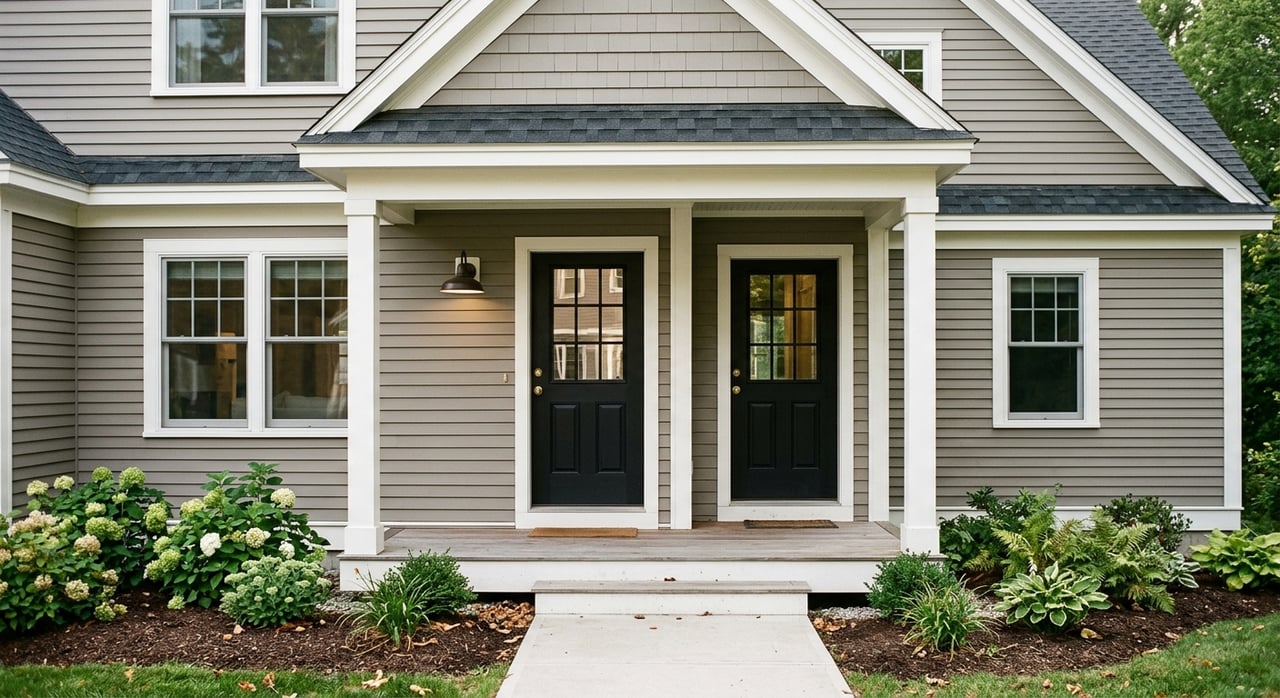
Selling a condo in Lebanon, NH can look simple from the outside, but condo sales often come with an extra layer of strategy. You are not just selling your unit’s layout and finishes. You are also selling the building, the association, and the monthly ownership experience. If you want to attract serious buyers and avoid delays, it helps to know what matters most in this market. Let’s dive in.
Lebanon’s housing market has grown more competitive over time. According to the City of Lebanon’s 2026 housing needs assessment using Redfin data, the city’s median sale price rose from $205,000 in 2015 to $451,000 in 2025. That same report notes that inventory dropped sharply after 2020, and by 2025 homes were selling quickly, often above asking price.
That does not mean every condo should be priced the same way. Lebanon condo values vary widely by complex. A city condo-complex summary showed observed median sale prices ranging from about $206,000 at Ivy Place to $640,000 at 20 Morgan at Centerra, with an overall median near $385,000.
For you as a seller, the takeaway is clear. Your condo should be evaluated against recent sales in the same complex, or a truly similar building, rather than against single-family homes across Lebanon.
Pricing is one of the biggest factors in how fast your condo sells and how much interest it gets. In Lebanon, building-specific details can have a major impact on value. Buyers often compare not just square footage, but also the age of the building, the layout, the condition of common areas, and the monthly HOA dues.
A strong pricing approach starts with recent sales in your complex. From there, you can adjust for details like upgrades, parking, storage, views, floor level, and monthly fees. Reserve strength and any active or likely special assessments can also shape how buyers view value.
This is one reason condo pricing can be more nuanced than it looks. Two units with similar size may perform very differently if one has stronger association finances, better amenities, or lower monthly carrying costs.
One of the smartest things you can do before listing is collect your association documents early. Under New Hampshire’s Condominium Act, a buyer can request a resale packet before the contract date, and the association’s principal officer must provide the required materials within 10 days of a written request.
That packet includes important information buyers often want to review before moving forward. It can cover anticipated capital and major maintenance spending, reserve balances, the prior year’s financial statement, pending suits or judgments, insurance coverage, known compliance issues from prior alterations, governing documents, and fee and special assessment history from the last three years.
If you wait until a buyer is already in due diligence, missing documents can slow the sale or create stress at the worst time. Having this information ready upfront helps keep the process moving and shows buyers that the sale is being handled carefully.
Before your condo goes live, try to have these items ready:
Condo buyers usually ask a different set of questions than single-family buyers. They are looking at the unit itself, but they are also looking closely at the association behind it. That is why details about reserves, maintenance plans, insurance, rules, and assessments matter so much.
In Lebanon, this matters even more because buyers may be drawn to condo living for convenience and lower maintenance. With Dartmouth Hitchcock Medical Center in Lebanon and Dartmouth College in nearby Hanover, the local buyer pool may include people who value commute access and a simpler ownership routine.
That means your listing should make the ownership picture easy to understand. If your HOA fee covers meaningful services or maintenance, buyers will want that explained clearly as part of the total monthly cost.
Some condo sales hit avoidable speed bumps because issues are discovered too late. New Hampshire law allows buyers to review a wide range of resale information, so problems tied to the association are often harder to gloss over than sellers expect.
Common red flags include upcoming special assessments, deferred maintenance, weak reserves, pending litigation involving the association, unapproved alterations, missing documentation, or unclear fee coverage. These issues do not always kill a deal, but they can affect buyer confidence, financing, and negotiation.
The best approach is usually to identify concerns before listing and decide how they will be explained. Clear, early information often creates a smoother transaction than waiting for questions to surface later.
When buyers shop for condos, they are often thinking about ease, efficiency, and everyday comfort. Your presentation should reflect that. Instead of focusing on lot size or yard space, the goal is to highlight light, flow, storage, and the overall low-maintenance feel of the home.
Professional presentation matters. In a 2025 staging survey, 83% of buyers’ agents said staging made it easier for buyers to visualize a property as a future home. Buyers’ agents also ranked photos, traditional staging, video tours, and virtual tours among the most important listing elements.
For a condo, that means every image should help a buyer understand how the space lives. A clean, bright, well-organized unit tends to show better and feel easier to say yes to.
Your marketing should show more than the main living area. If they add value, include clear images of:
These details help buyers picture the full ownership experience, not just the finishes inside the unit.
In New Hampshire, licensees must disclose known material physical, regulatory, mechanical, or on-site environmental conditions before a written offer is made. For you as a seller, that makes honesty and preparation especially important.
If there is a known issue with the unit, a prior alteration, or something affecting the association, it is better to address it early. Surprises late in the process tend to create distrust and can put a transaction at risk.
A complete association packet and clear communication can go a long way here. Buyers tend to feel more comfortable when the facts are organized, available, and easy to review.
As you prepare to sell, it helps to understand at least one state-level cost that may apply at closing. In New Hampshire, the real estate transfer tax is $.75 per $100 of consideration, calculated to the nearest whole dollar. There is a minimum tax of $20 when the sale price is $4,000 or less.
You should also be aware that New Hampshire’s brokerage relationship disclosure form must be acknowledged in the transaction process. These are not glamorous details, but they are part of staying organized and avoiding last-minute confusion.
Lebanon is not a one-size-fits-all condo market. Pricing can vary dramatically from one building to another, and buyers often review the association just as closely as the unit itself. In a market where inventory has been tight and well-positioned homes can move quickly, the sellers who prepare early often have an advantage.
If you want the best possible outcome, think beyond paint colors and staging. Focus on the documents, the pricing logic, the presentation, and the buyer questions that are likely to come up. That is what helps a condo listing feel polished, credible, and ready for the market.
Selling a condo in Lebanon is often about clarity as much as curb appeal. If you want help pricing your unit, organizing the right pre-listing details, and presenting it with a calm, professional strategy, connect with Jaime Durell.
Stay up to date on the latest real estate trends.


Real Estate Tips
Boost Your Home's Value with Easy, High-Impact Improvements