Hanover NH Neighborhoods: In-Town Vs Outskirts
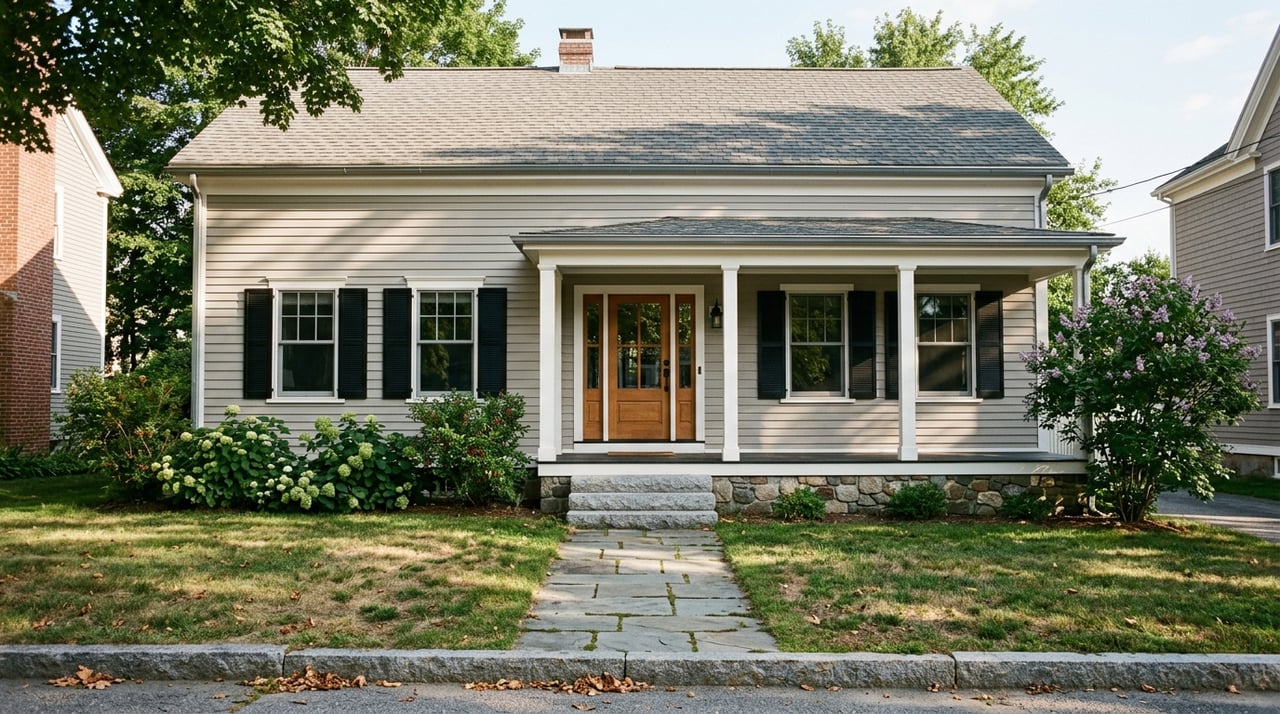
Choosing between in-town Hanover and the outskirts is less about finding a “better” neighborhood and more about matching your daily life to the right setting. If you are weighing walkability, lot size, privacy, trail access, or commute style, Hanover gives you two very different ways to live in the same town. This guide will help you compare the downtown-and-campus core with Hanover’s more rural edges so you can focus your home search with confidence. Let’s dive in.
Hanover does not divide neatly into a long list of formal neighborhood names. Instead, it works more like a compact in-town center around downtown and Dartmouth, surrounded by wooded corridors, open-space lands, and more rural residential areas.
That pattern shows up in the town’s planning documents. Hanover’s master plan directs future growth toward downtown, campus, nearby residential areas, and village centers with services, while aiming to preserve the town’s rural character elsewhere. In other words, where you live in Hanover often comes down to a lifestyle choice.
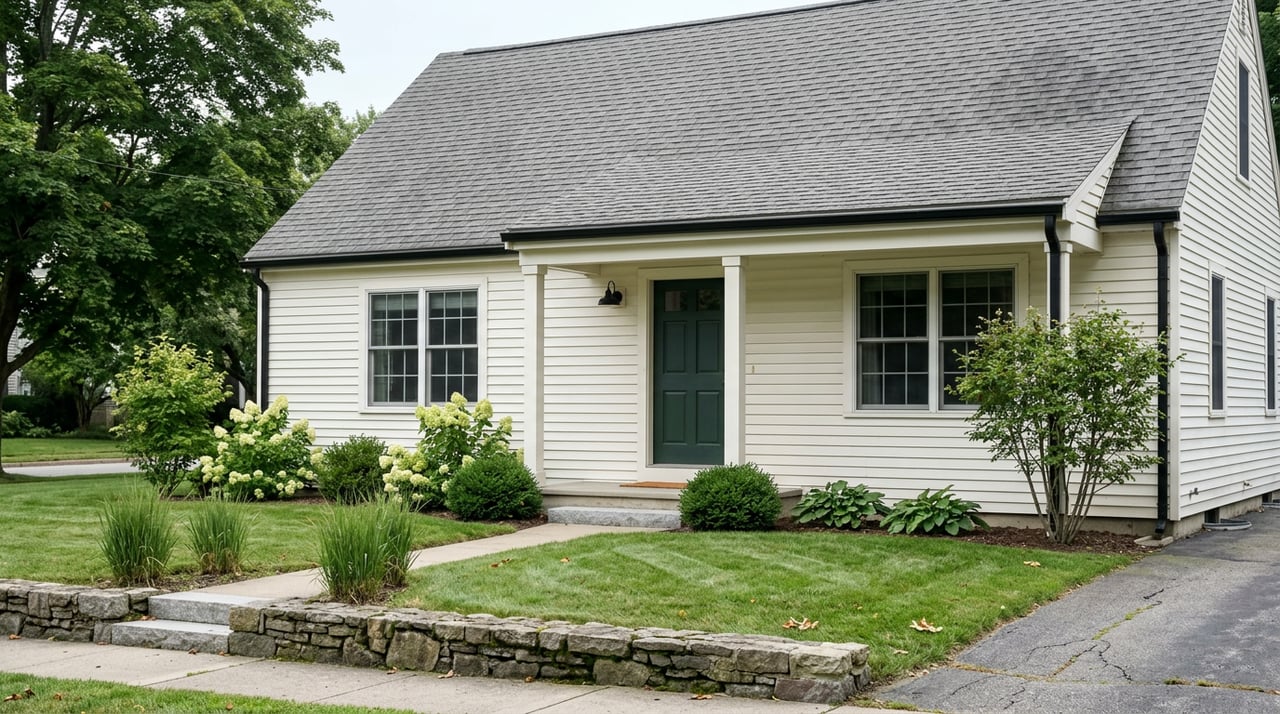
In-town Hanover is shaped by a village-style mix of homes, civic spaces, and businesses. The zoning code reflects that pattern with downtown districts, built-up residential areas with water and sewer service, sidewalks, and a pedestrian-friendly streetscape.
If you like being close to daily errands and community destinations, this part of Hanover often feels simpler to navigate. Dartmouth’s main campus sits right beside downtown, and the area functions as a walkable community where residential and civic life connect closely.
One of the biggest draws of in-town Hanover is how much you may be able to do on foot. Depending on the exact location, you can be closer to downtown businesses, community services, trails, and campus-adjacent destinations.
That does not mean car-free living is automatic, but it does mean shorter daily trips are common. Hanover also has managed parking downtown, including more than 600 metered spaces, a 289-space garage, and permit systems for downtown employees, which tells you parking matters more here than it might on a larger rural lot.
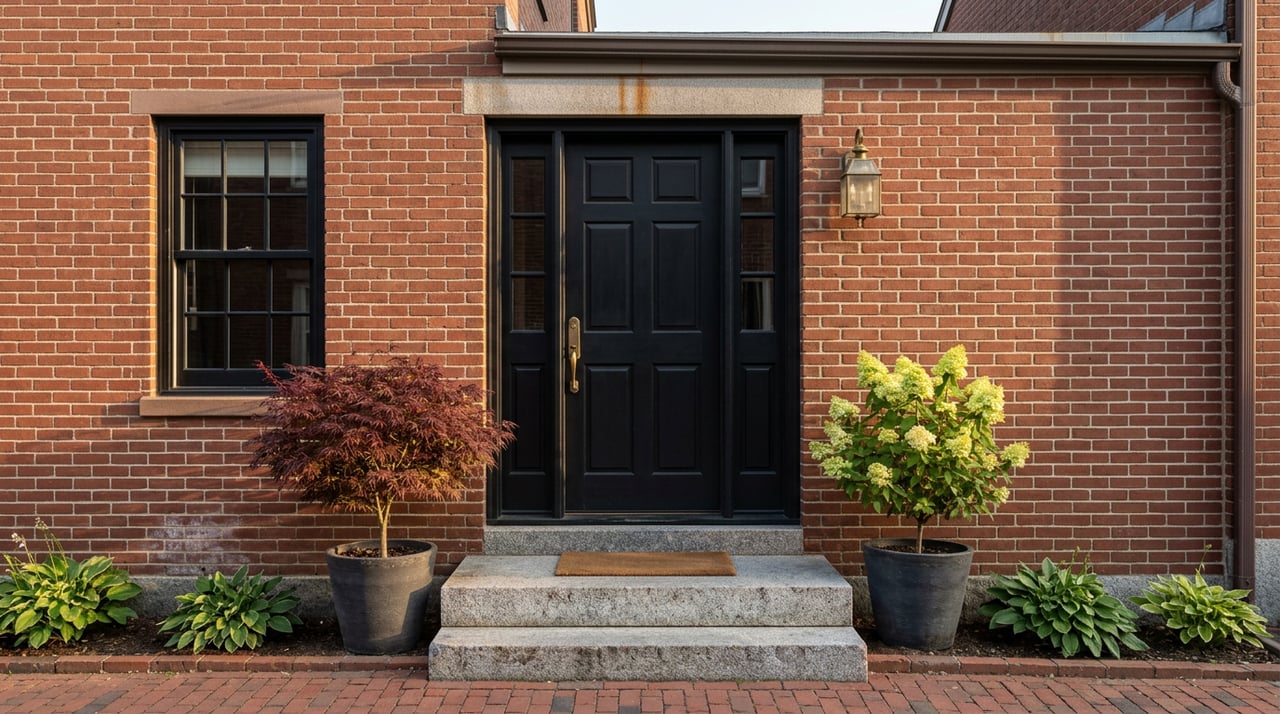
A common misconception is that in-town Hanover means one narrow housing style. In reality, the zoning code allows a range of house-scale options, including small houses, duplexes, townhouses, and courtyard buildings in some areas.
That makes the in-town market more varied than many buyers expect. You may find homes on smaller lots, attached options, or village-scale residential settings that still feel distinctly Hanover rather than suburban.
Living near downtown does not mean giving up access to nature. Hanover’s trail network is part of daily life in and around the core, including the Appalachian Trail route through town, the Girl Brook Circuit, and connections from South Main Street and Brook Road toward Mink Brook Nature Preserve.
This is one of Hanover’s most appealing combinations. You can have a more compact setting and still be near meaningful outdoor access, especially if you value walking to trails rather than driving to them.
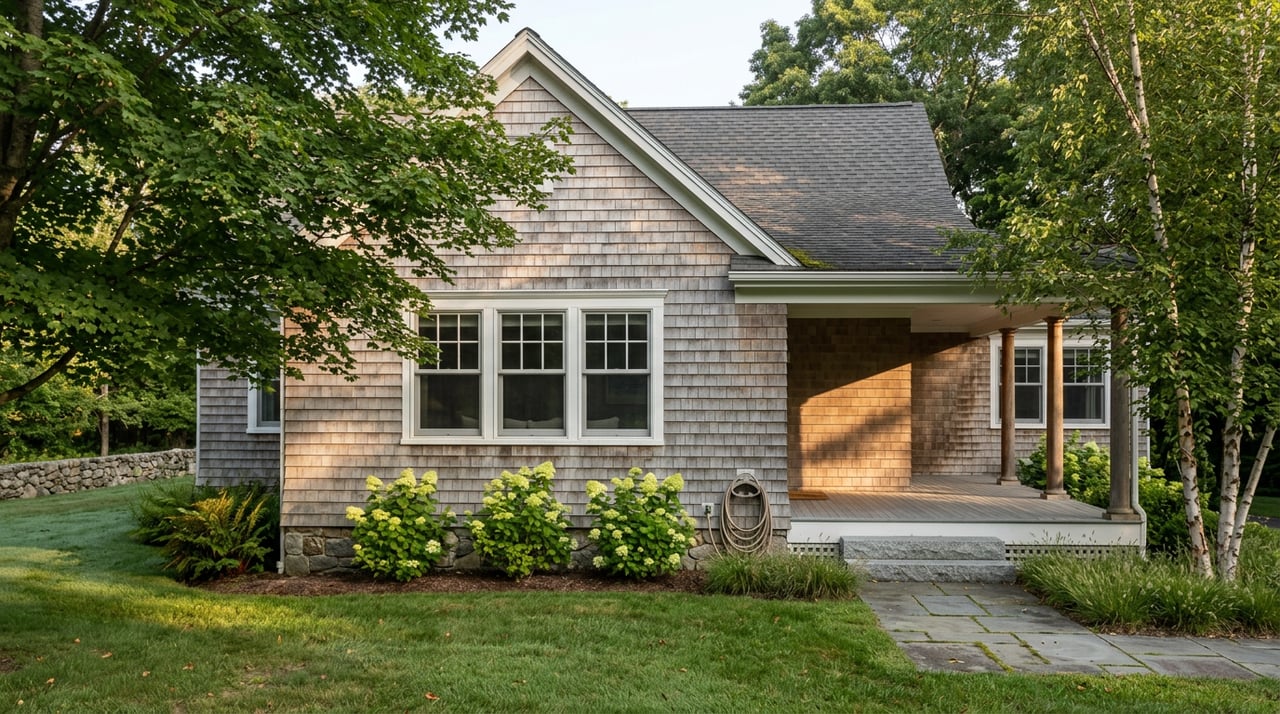
The outskirts of Hanover usually appeal to buyers who want more land, more separation from neighbors, and a stronger connection to woods, fields, and topography. These areas are generally outside the built-up section where public water and sewer are not commonly available.
The town’s zoning and open-space planning make that distinction clear. Rural areas are intended to preserve privacy, dark skies, wildlife habitat, farms, fields, and the broader wooded character that many buyers picture when they think of Hanover countryside.
If your priority is elbow room, the outskirts may feel like a better fit. Rural and larger-lot settings often mean detached single-family homes, more private surroundings, and a stronger sense of separation from the downtown pace.
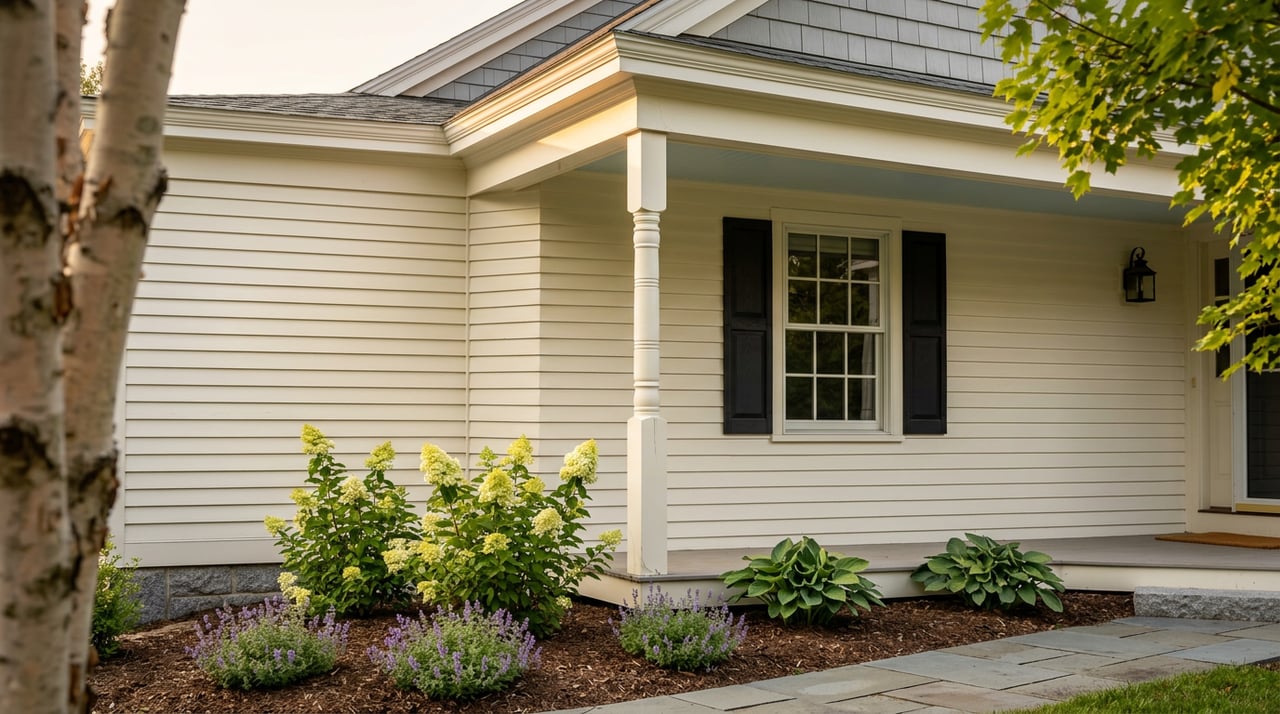
For some buyers, that extra space is the point. You may be trading some convenience for a larger parcel, more natural screening, and a home setting that feels tucked into the landscape.
Outdoor access on Hanover’s edge is often less about walkable streets and more about larger recreation systems. Areas connected to Mink Brook, Moose Mountain, the Appalachian Trail corridor, and other conservation lands can offer a very different kind of outdoor lifestyle.
Mink Brook is a strong example. Its watershed covers more than 40% of Hanover’s land area, includes Etna Village, and stretches from Moose Mountain to the Connecticut River, with strong potential for hiking, skiing, snowshoeing, and other recreation. The 250-acre Mink Brook Community Forest on Greensboro Road adds more forest, meadow, wetland, and trail potential.
The tradeoff on the outskirts is that daily life is usually more car-dependent. Hanover’s transportation planning notes that outlying areas have few alternatives to the automobile.
That said, regional transit still plays a role in the broader area. Advance Transit connects Hanover with Lebanon, Hartford, Norwich, White River Junction, and West Lebanon on fare-free routes, which can be helpful depending on where you need to go.
Here is the simplest way to think about the choice.
| Feature | In-Town Hanover | Hanover Outskirts |
|---|---|---|
| Daily feel | Compact and village-style | Rural and more spread out |
| Typical priorities | Walkability, convenience, shorter trips | Privacy, land, quieter setting |
| Housing pattern | Smaller lots and a mix of house-scale types | More detached homes and larger parcels |
| Utilities and infrastructure | More likely to have water, sewer, sidewalks | Public water and sewer generally less available |
| Outdoor access | Trail connections close to town | Larger trail networks and conservation areas |
| Transportation style | More walkable and connected | More car-dependent |
The right answer depends on what you want your everyday routine to look like. If you want easier access to downtown, campus-adjacent life, and a more compact home setting, in-town Hanover may be the stronger match.
If you picture a home with more land, wooded surroundings, and a quieter rhythm, the outskirts may better support that lifestyle. Neither choice is universally better. It depends on what you want more of and what tradeoffs feel worth it.
Some buyers start their search hoping for direct Connecticut River access. In Hanover, that can be more limited and more nuanced than it first appears.
The town notes that shoreline access points are limited, and in some places houses sit close to the river, which can affect how public trail alignments work. For many buyers, proximity to trails, conservation land, or river corridors may matter more in practice than owning directly on the water.
Hanover is a small town, but the differences from one area to another are meaningful. A home near downtown can offer a very different experience from one near Mink Brook, Moose Mountain roads, or other rural edges, even when the drive between them feels short.
That is why neighborhood guidance matters. When you look beyond price and bedroom count, and start comparing walkability, utilities, lot size, trail access, and day-to-day convenience, your search usually gets much clearer.
If you are deciding between in-town Hanover and the outskirts, working with someone who understands the local pattern can save you time and help you focus on homes that truly match your goals. If you want tailored guidance on Hanover, Etna, or the broader Upper Valley, reach out to Jaime Durell for a low-pressure conversation.
Stay up to date on the latest real estate trends.