Your Woodstock VT Weekend Guide Before Buying a Home
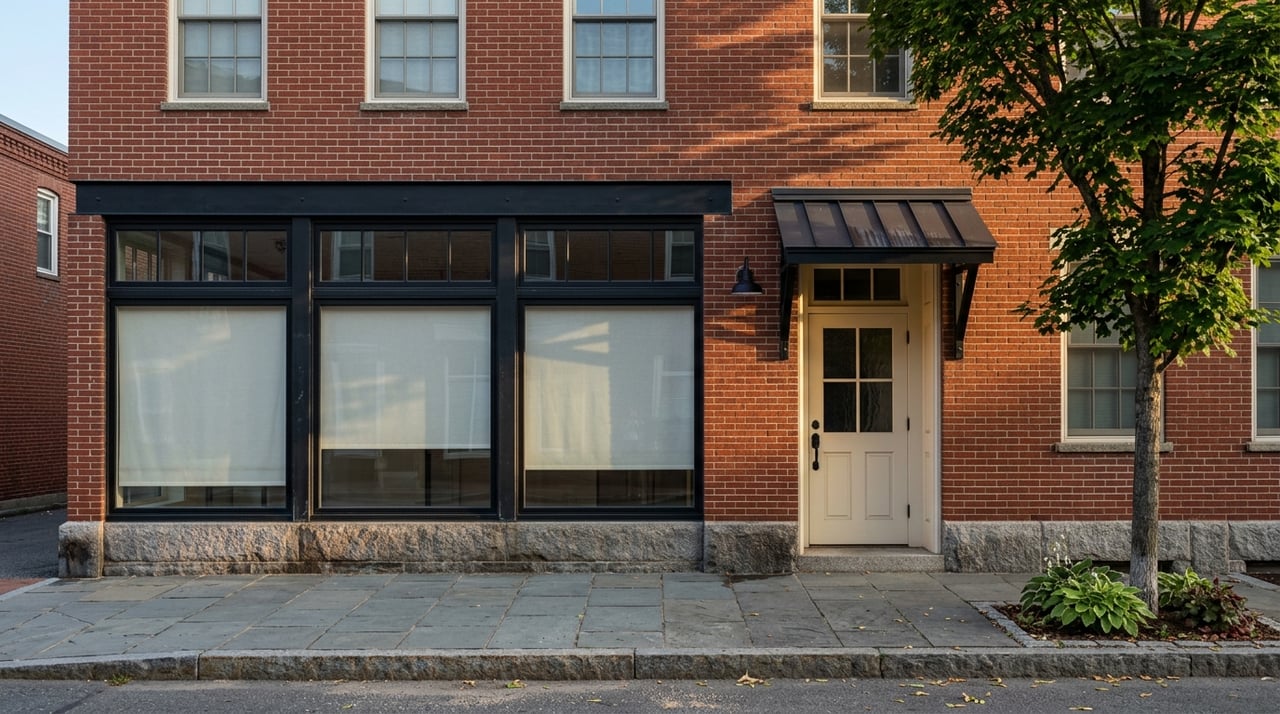
If Woodstock has been on your radar, it probably makes sense why. Few places offer the mix of village charm, outdoor access, and four-season activity that Woodstock does. Before you buy a home here, though, it helps to see how the town actually works day to day, not just how it looks in photos. Let’s dive in.
Woodstock is centered around a walkable village core near the town green. According to the town’s tourism information, the village includes more than 30 local restaurants, over 30 locally owned shops, a movie theater, more than 25 places to stay, daycare and playgroup options, and a local health center.
That combination matters when you are deciding whether a town fits your routine. You may love the idea of a classic New England village, but it is even better when errands, coffee, dining, and local activities are close together.
Woodstock also has a long history that still shapes how the town feels today. The town was chartered in 1761, later became the shire town of Windsor County, and evolved into a destination known for artisan culture, boutique shopping, farm-fresh dining, and local makers.
Before you buy in Woodstock, spend time there like a future local. Walk the village, test the parking setup, and see how easy it feels to move between the green, shops, trails, and daily essentials.
The Woodstock Welcome Center is located at 4 Mechanic Street and is open daily from 9 a.m. to 5 p.m. Village parking is six-hour metered or kiosk parking Monday through Saturday from 10 a.m. to 4 p.m., while Sundays and most holidays are free. There is also free parking at East End Park.
These details may sound small, but they help you picture real life. If you are considering a home in or near the village, convenience, walkability, and visitor traffic can all affect how the location feels to you.
One of Woodstock’s strongest lifestyle draws is how local its commercial center feels. The town describes its dining scene as seasonal and farm-fresh, with options ranging from coffee spots to casual meals and farm-to-table dining.
Official listings include places such as Dreamscape Coffee, Mon Vert Cafe, 506 Bistro, Cloudland Farm, and Oakes & Evelyn. For buyers, that suggests a town where local food is not just a nice extra. It is part of everyday life.
Shopping has a similar feel. Woodstock describes its retail areas as pedestrian-friendly and centered on small, locally owned markets and shops.
Examples include F.H. Gillingham & Sons, which has operated since 1886, 37 Central Clothiers in downtown Woodstock, and The Vermont Flannel Co. near the Green. If you want a town with independent businesses instead of a more generic commercial strip, Woodstock stands out.
Woodstock offers more than pretty streets and historic buildings. Arts and culture are part of the town’s identity, with Pentangle Arts at Woodstock Town Hall presenting live theatre, musical concerts, and weekend movies.
The town also has a steady calendar of events throughout the year. That can add energy and variety to daily life, especially if you want a place where there is often something happening nearby.
Here is a quick look at the seasonal pattern buyers should know:
| Season | Examples of local events |
|---|---|
| Spring | Maple sugaring events and pancake breakfasts |
| Summer | Market on The Green, Free Brown Bag Music Concerts, Woodstock Summerfest, Bookstock |
| Fall | Apple & Crafts Fair, Sculpture Fest, Woodstock Digital Media Festival, Vermont Fine Furniture and Woodworking Festival, Green Mountain Horse Association Fall Foliage ride |
| Winter | Wassail Weekend |
This seasonal calendar is part of Woodstock’s appeal, but it is also something to think through carefully. The same events that make the town lively and memorable can also bring more visitors into the village core, especially in peak fall and holiday periods.
If outdoor recreation is high on your list, Woodstock has a lot to offer for a town of its size. Marsh-Billings-Rockefeller National Historical Park sits about half a mile north of the village and offers 20 miles of trails and carriage roads that are open daily from dawn to dusk.
That park also connects into the wider Walk Woodstock system. The broader network links Mount Tom, Mount Peg, other conserved lands, and downtown Woodstock, with more than 30 miles of trail across roughly 1,000 conserved acres.
That means access to trails is not just a weekend bonus. In many parts of Woodstock, it is closely tied to daily lifestyle.
Not every buyer wants steep terrain or long hikes. Woodstock also has more accessible outdoor options close to town.
Billings Farm & Museum is a scenic walk from the village center and is open eleven months of the year. The Ottauquechee River Trail is a 2.8-mile scenic walking trail and the village’s only flat, universal-access trail, giving residents and visitors an easier way to enjoy the river setting.
Woodstock’s recreation profile extends beyond walking and hiking. The town says there are over 30 miles of trails maintained by WAMBA for mountain biking, with routes for beginner through advanced riders.
The housing information also notes that Woodstock is about 3 miles from Saskadena Six, 6 miles from Quechee Ski Hill, and 20 miles from Killington ski areas. If you want a home base that supports outdoor activity through multiple seasons, Woodstock has strong regional access.
One of the most useful things to understand before buying in Woodstock is that your experience can vary a lot depending on where you land. The town’s housing information frames the choice clearly: you may be looking for a historic home in the village or a peaceful place tucked into the hills.
That distinction can help guide your search early. A village location may appeal to you if you want walkability, quick access to shops and dining, and a stronger connection to town events.
A home in the hills may appeal more if you want a quieter setting with easy access to the village when you choose it. Neither option is better across the board. It depends on how you want your daily life to feel.
Woodstock may feel distinct, but it is not isolated. It sits within the broader Upper Valley context, which connects communities across Vermont and New Hampshire through business, culture, and regional resources.
That can be helpful if you are relocating from outside the area. You get the character of a village-centered community while still being connected to a wider regional network.
For buyers, that usually means Woodstock can offer both a strong sense of place and practical access to the broader Upper Valley. If your work, family, or lifestyle spans multiple nearby towns, that regional connection can matter.
When you visit Woodstock before starting your home search, pay attention to more than curb appeal. Try to notice how the town functions during the times and seasons that matter most to you.
A few smart things to evaluate include:
These observations can help you search with more confidence. They also make it easier to identify which part of Woodstock best matches your pace and priorities.
Woodstock offers a rare mix of walkable village life, strong local identity, outdoor recreation, and seasonal energy. That blend is exactly why so many buyers are drawn to it.
At the same time, the smartest way to approach Woodstock is with clear eyes. Spend time in town, compare village and hillside settings, and think about how the seasons shape daily life. If you do that before you buy, you will be in a much better position to find a home that fits not just your budget, but your lifestyle too.
If you are thinking about buying in Woodstock or anywhere in the Upper Valley, Jaime Durell can help you compare locations, narrow your search, and move forward with clear, low-pressure guidance.
Stay up to date on the latest real estate trends.